
Design for Connection
On cohousing, last-minute gifts, and redesigning our office space.


Issue No. 17
IN THIS ISSUE
BUILDING: Vindmøllebakken, Helen & Hard
READING: Gift Ideas for the Procrastinators and the Busy
WORKING: Redesigning The Office
BUILDING
Vindmøllebakken
Helen & Hard
BY: TARO MATSUNO
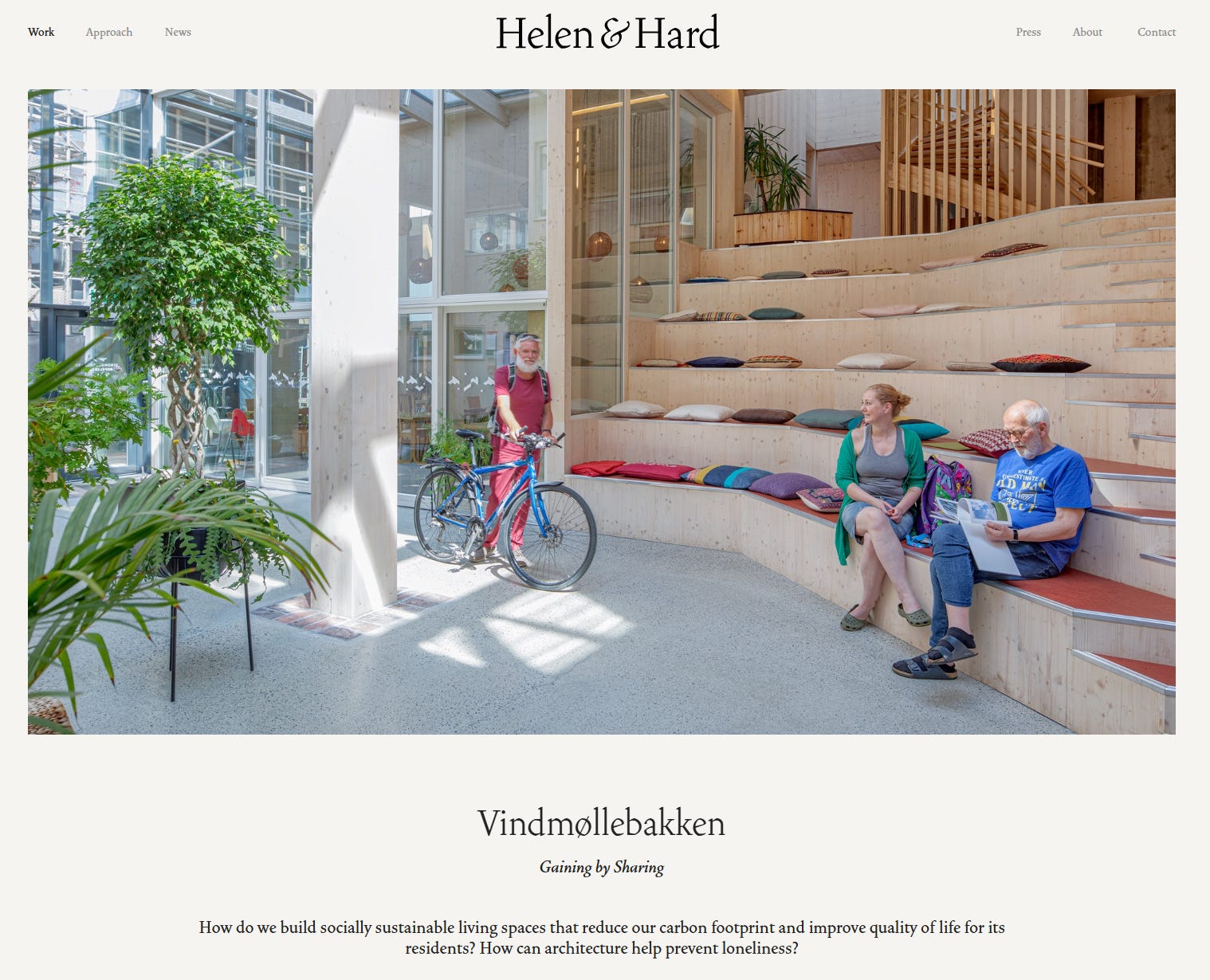
The holiday season brings celebration and gathering, but for those who are alone, it can be isolating. Helen & Hard Architects’ Vindmøllebakken cohousing project in Norway addresses this challenge by reimagining how we live together in community.
Cohousing creates intentional communities where residents share amenities and common spaces. At Vindmøllebakken, individual units are organized around shared double-height common areas, a communal kitchen, and dining space.
Helen & Hard’s design rests on two key principles. The first is “gaining by sharing” - pooled resources give each household access to facilities far nicer than what they could afford individually. This invites designers to reconsider which building resources should be held in common.
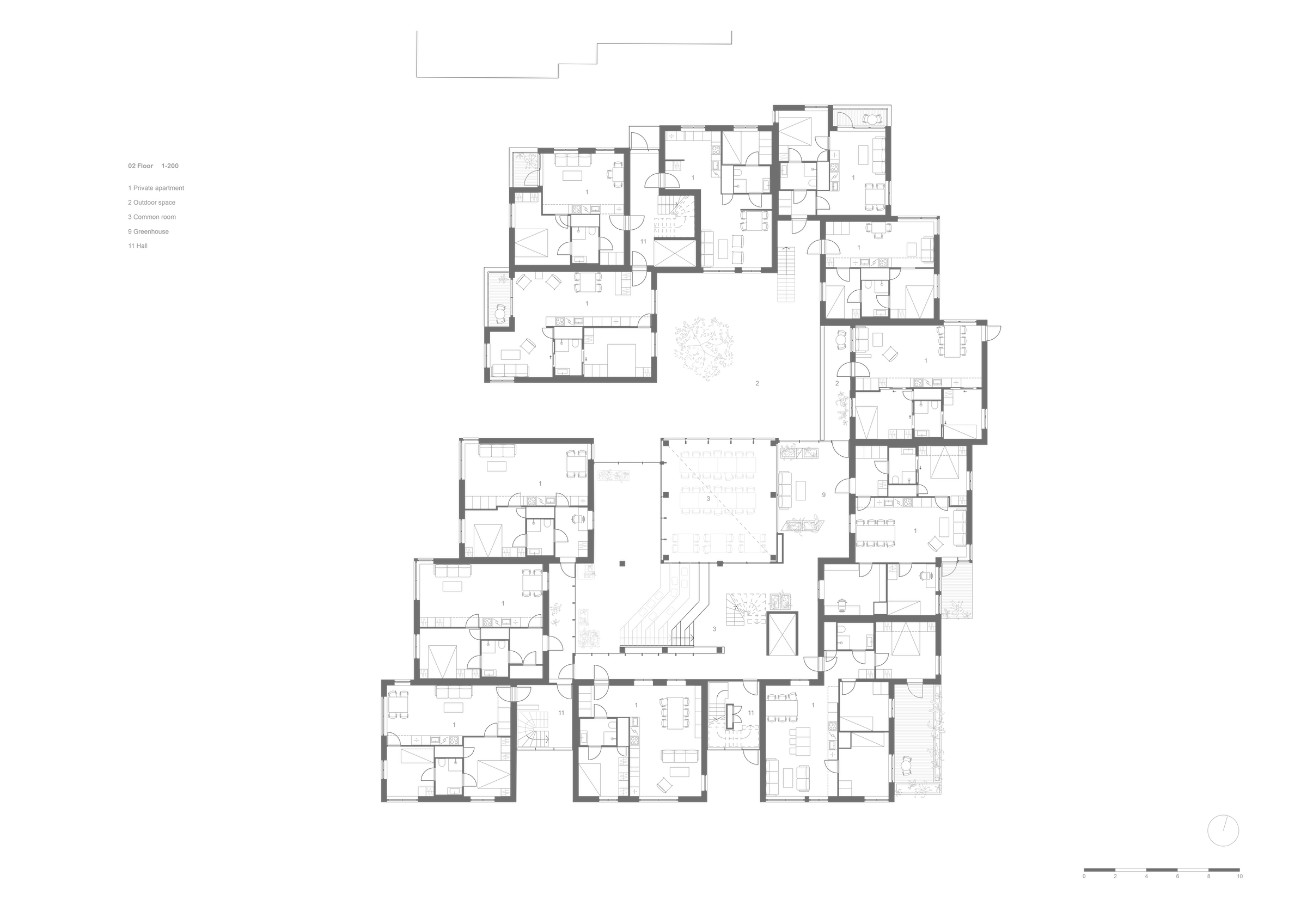
The second principle ensures that while each unit is approximately 100 square feet smaller than standard housing, it still supports all daily functions. Everyone needs the ability to retreat to their own quiet space.
This project was seven years in development before construction finished in 2023. The architects actually initiated the project on land that had housed their previous office. Like most cohousing projects, the design process was intensive and collaborative, with the team working closely with residents throughout.
It’s similar to brwarchitects’ own involvement in the resident-led redevelopments of Southwood and South First Street - we spent much more time on establishing community values, exploring design responses that reflected residents' priorities, and helping residents develop the skills to make their own decisions. That additional time is not wasted. Whether it’s at South First Street or at Vindmøllebakken, part of the design product is the community that gets built by working together.
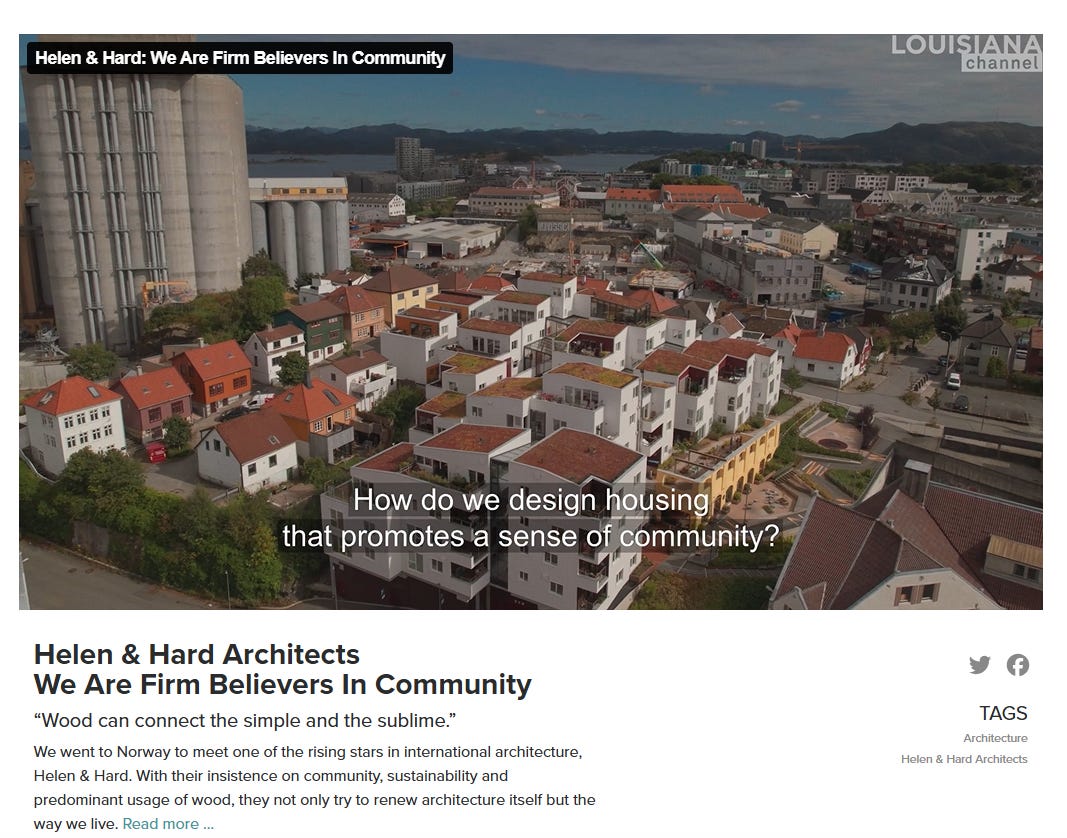
More on Helen & Hard’s website
Louisiana Channel, the Danish non-profit arts organization, has a good video of Helen & Hard’s work.
South First Street is currently under construction, more from us on this soon.
READING
Gift Ideas for the Procrastinators and the Busy
BY: TARO MATSUNO
As someone who has trouble thinking about gifts, I want to paint a scenario:
You still need a gift for someone who’s interested in architecture and design. Maybe they’re a student, a working professional, or just someone with a passion. This person is particular, and you want to nurture their interests, but you feel anxious about gifting into their area of expertise. But more than anything, you need something that could show up in a couple of days.
What about a nice design book? Two lists from sources that could help with your problem:
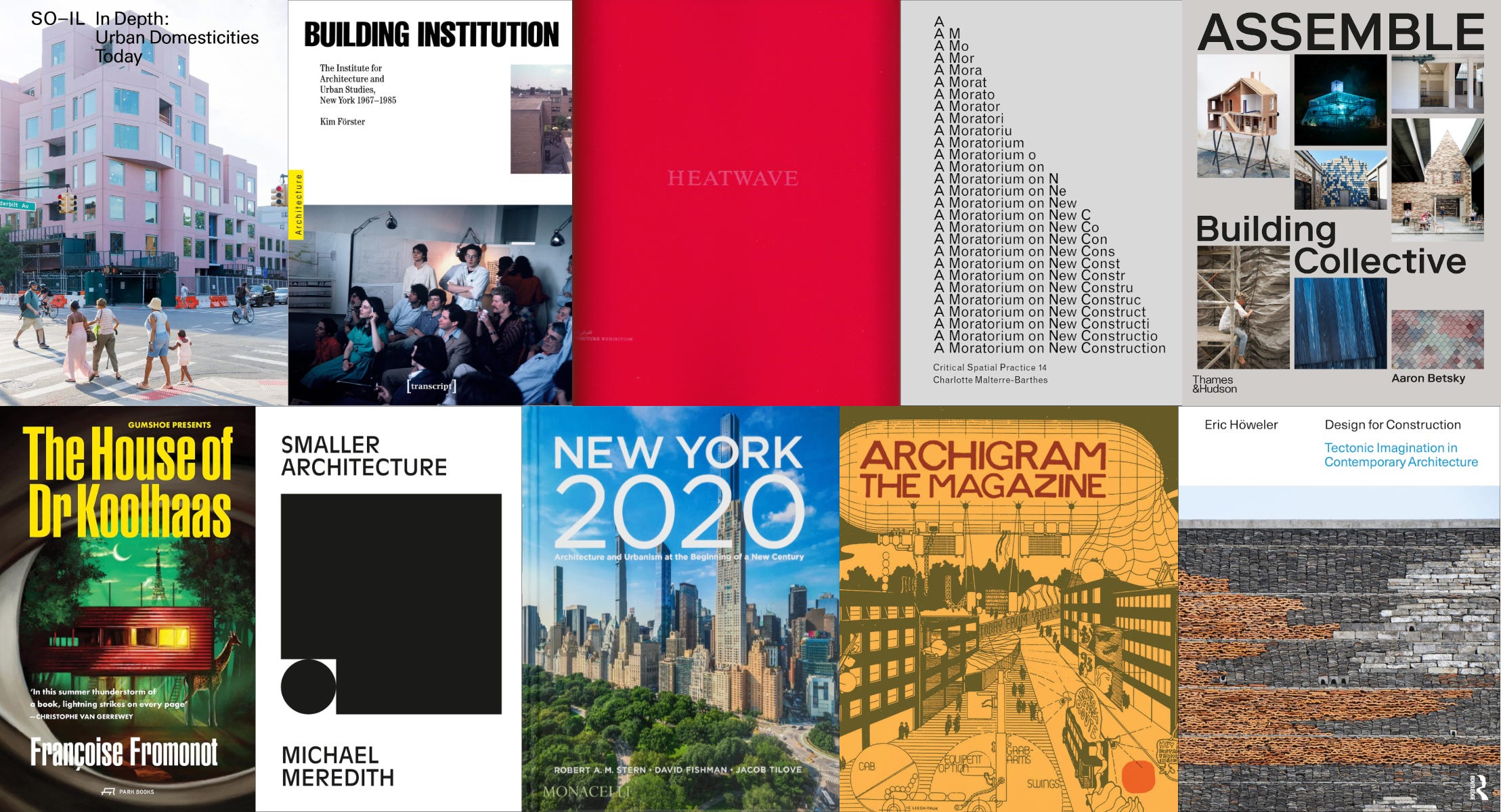
First is the long-running blog A Weekly Dose of Architecture Books run by author and architect John Hill, now in Substack form. AWDoAB’s top books of 2025 features SO-IL’s book as well as Assemble’s monograph, both of which might be of interest to folks who like housing or community-based architecture . His newsletter worth a subscribe to keep up on the latest publications.
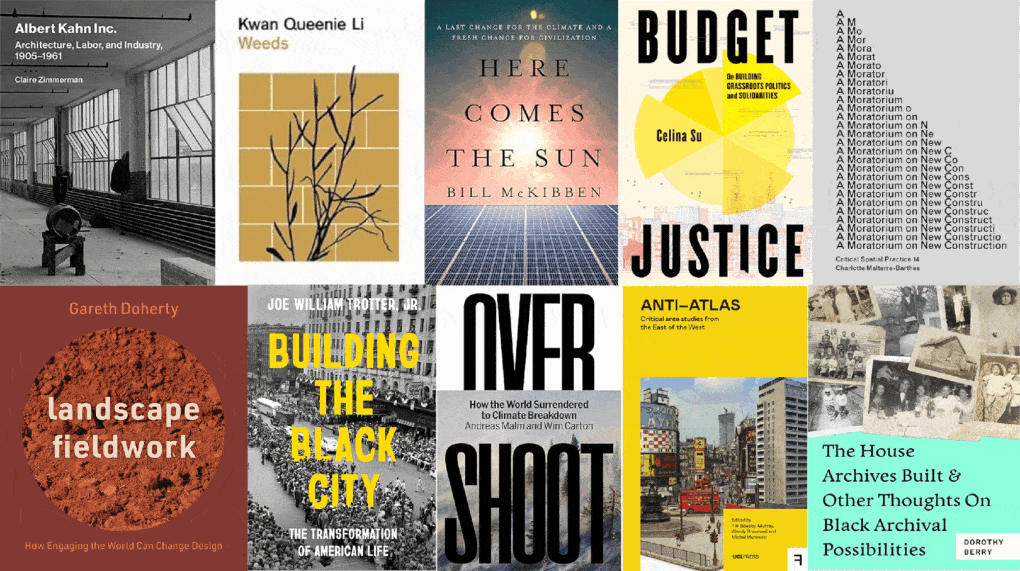
Places Journal is more landscape-architecture focused and does book roundups on a quarterly basis, their Fall list covers many recent releases.
Happy gifting!
WORKING
Redesigning the Office
How do you organize forty years of firm history and create a workplace for architects of the future?
BY: KENDALL KING
When I was hired at brw, Kurt & Bruce made it clear that their intentions were to reinvest in the collective energy of the office and shift away from remote work.
As the world readjusts to in person and hybrid work, we’re asking ourselves: “how we can remain flexible and supportive of employees while creating a positive and enjoyable culture at the office- one that feels exciting to engage with for all members of the firm?”
From an office management and marketing perspective, my instinct is to declutter, make it cute, and photograph everything. But I work at an architecture firm, and for architects, this is a design problem, which means we are putting away contractor bags and taking out design tools.
I take a deep breath. Having stuff around, especially stuff I don’t understand, is not my comfort zone. But the firm is older than I am- something I must remember when thinking through the steps to a new office organization. The problem is not as simple as correct filing and neat shelving; it’s about honoring the many stories that brw holds. Furthermore, it’s about making spaces that architects want to use, and making them in a way that architects understand.


Enter Design Associate Ying Fan and the Revit model of the office. Not only does having a 3D model of the office help us see what we are working with from a bird’s eye view, it allows us to keep detailed records of our hardware, furniture, and even software inventories. Now we’re talking… this is the stuff of (my) type-A dreams!
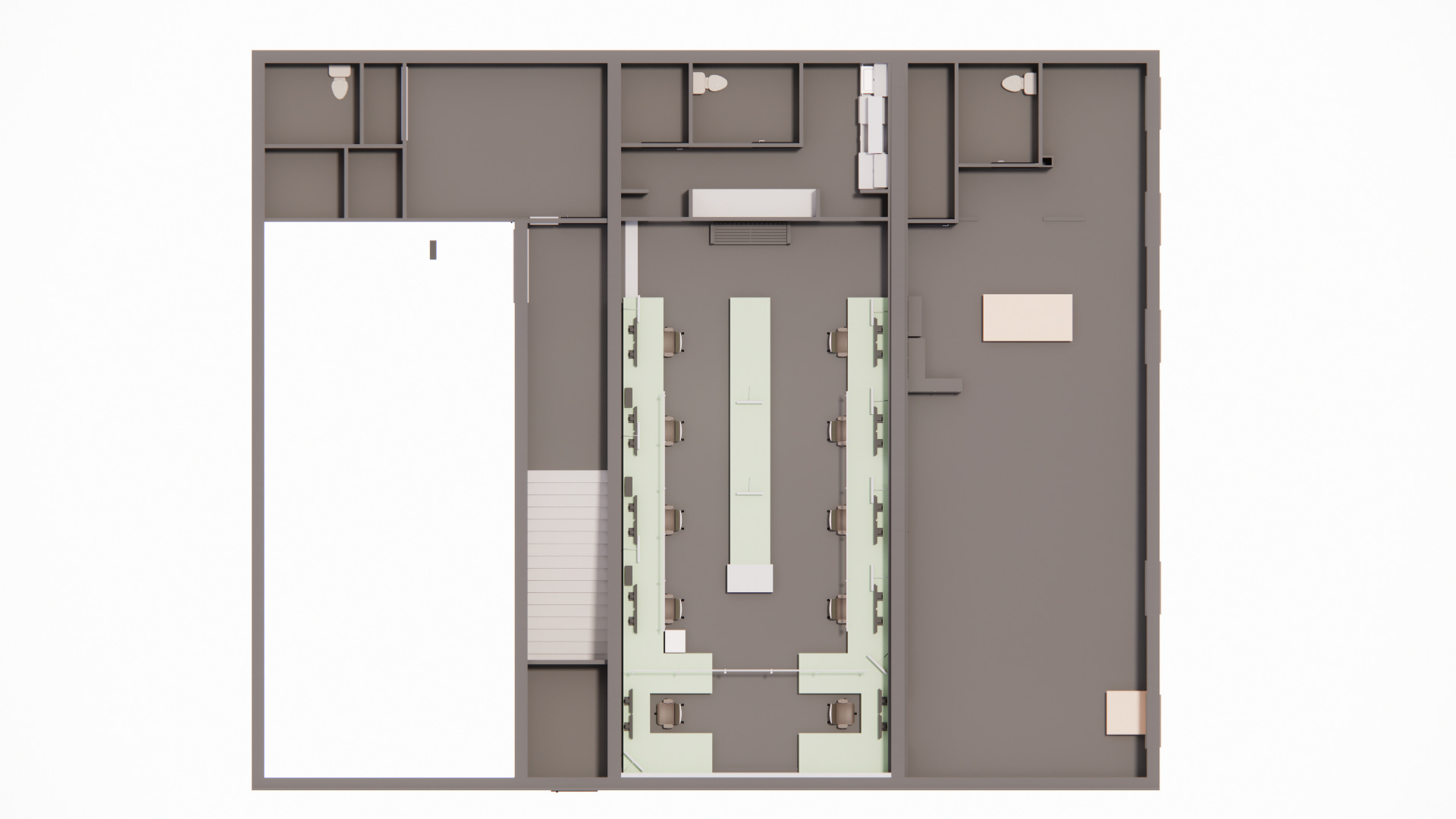
So we’ll start with the model, and we’ll be happy to know your experience with this kind of problem solving if you have a moment to share:
What are ways that your office successfully reintroduced in-person work?
How is your office physically organized to support different kinds of tasks or social interaction?
What are ways that your firm organizes its archives and backlog of previous projects?
What are simple physical changes or investments that might enhance our experience of the office?