Fall Forms
From speculative furniture to Gothic façades to pumpkin carving—design takes many shapes this season.


Issue No. 14
IN THIS ISSUE
BUILDING: FutureRack—Chenoe Hart
READING: The Uses of Gothic—Jean F. Block
WORKING: Gourd Times at BRW—Carving Out Space for Creativity and Connection
BUILDING
FutureRack
Chenoe Hart
BY: TARO MATSUNO
In honor of Monday’s Amazon Web Services outage that impacted everyone from Snapchat and Venmo to Autodesk whose products we rely on every day.

FutureRack is a speculative modular furniture system based on the server rack by NY-based designer Chenoe Hart - for the lifestyle that is ruled by the cloud.
Read more on the project website
READING
The Uses of Gothic
Jean F. Block
BY: TARO MATSUNO
The Nation’s architecture critic Kate Wagner returns this week with a column on the University of Chicago’s architectural woes we touched on a while back - “Why Did UChicago Destroy the Humanities? The answer is simple: to spend untold sums on useless buildings by starchitects.”
Historian Jean F. Block’s account of the genesis of the University shows the role prestige architecture played even in its earliest days. Its choice of the Gothic style over the Classical referred not to “Europe’s palaces” but to Europe’s great universities.
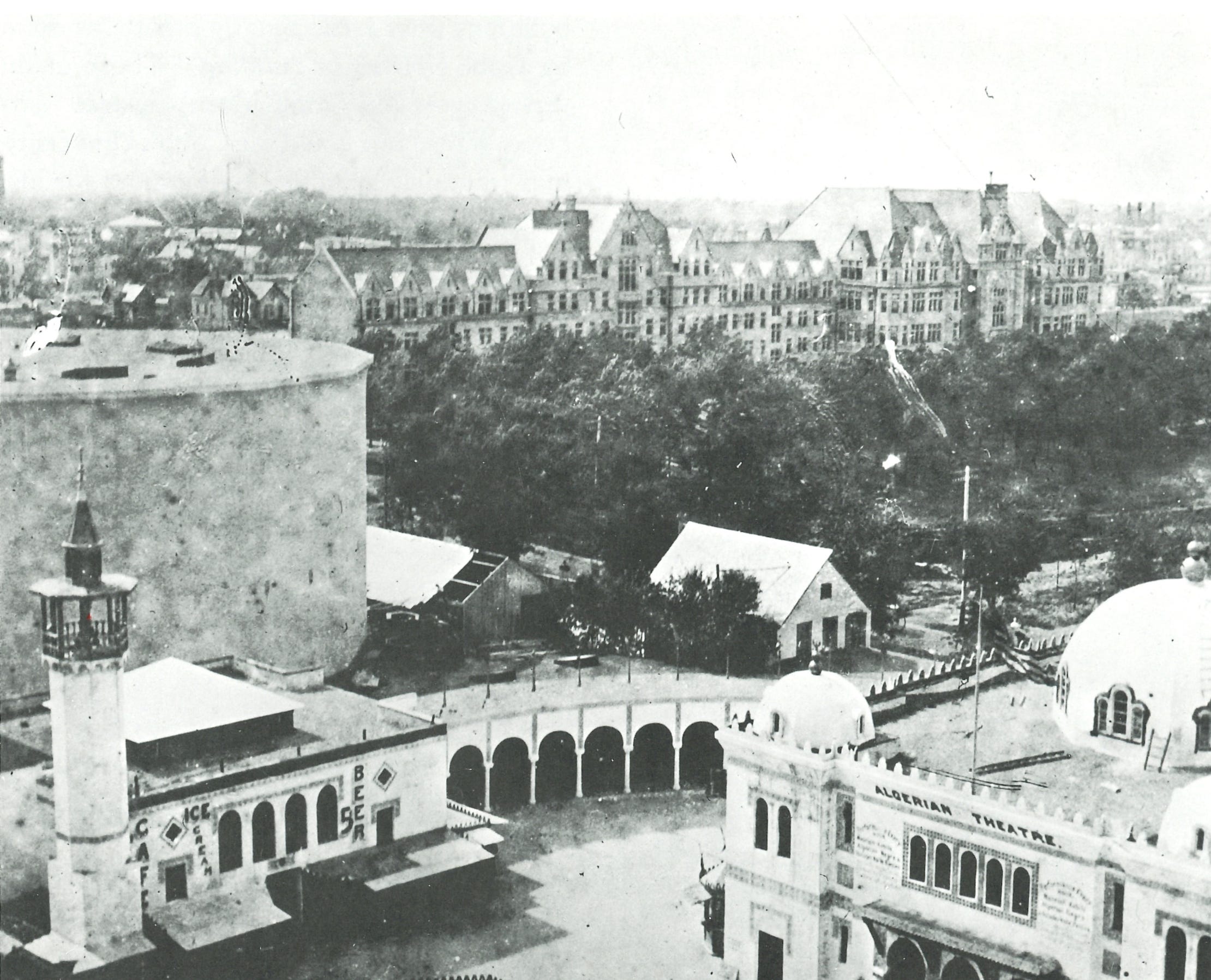
While it’s orderly quadrilateral plan draws much from the City Beautiful tradition pioneered at the exuberant 1893 World’s Fair Exposition just down the road, the sober and cloistered university aimed instead at timeless values, even when the limestone campus had sprung from the prairie as quickly as switchgrass.
This stylistic choice was essential for the legitimacy of the early University. Founded by John D. Rockefeller, a billionaire born from humble means, the University trustees sought to join the ranks of Yale, Trinity College, and the longer-lived elite institutions of the east coast not to mention Oxford and Cambridge.
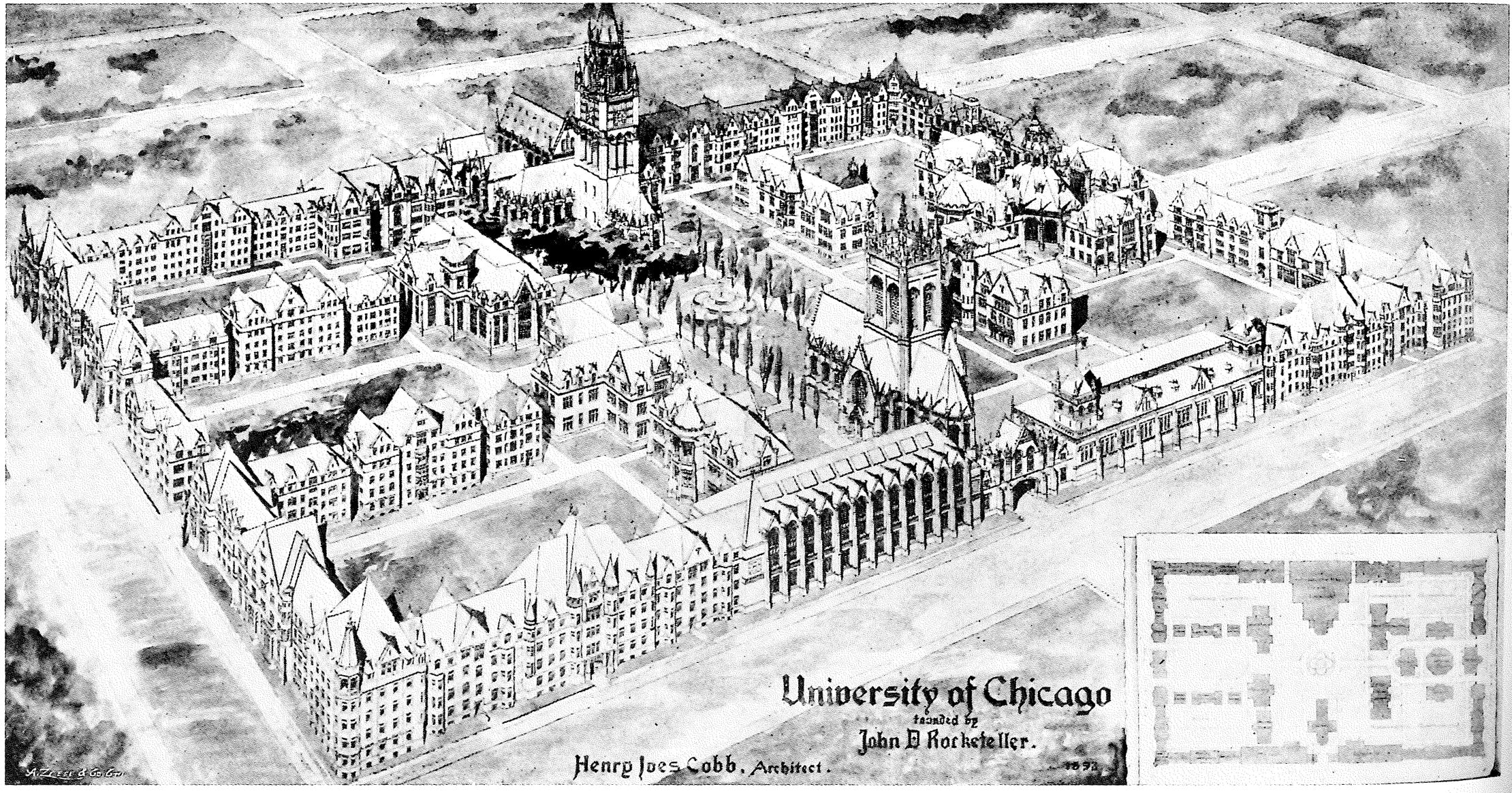
In the foreword, historian Neil Harris notes that the consistent Gothic style also sought to reassure anxious critics of the unifying role of the University in light of the profusion of specialties and expertise in a time of rapid scientific and societal change. It also “served to remind each school and sector of its subordinate place” within the modern research university.
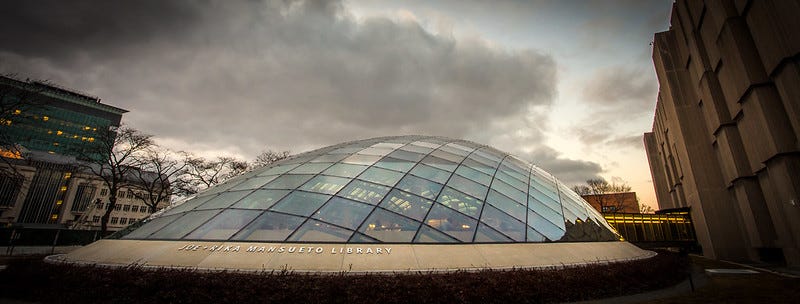
What then of UChicago’s latest building spree? One reading is that it is a physical symptom of the Entrepreneurial University - where once the architecture legitimized the creation of an educated elite, it now creates highly visible, individualized structures for centers and schools hoping a few will hit big returns much like Rockefeller. But in the face of such big bets, UChicago is beginning to see its luck run out.
Find Jean F. Block’s 1983 The Uses of Gothic in a used bookstore - I got mine at Blue Whale Books on the Mall.
WORKING
Gourd Times at BRW
Carving Out Space for Creativity and Connection
BY: CANDACE CABRAL
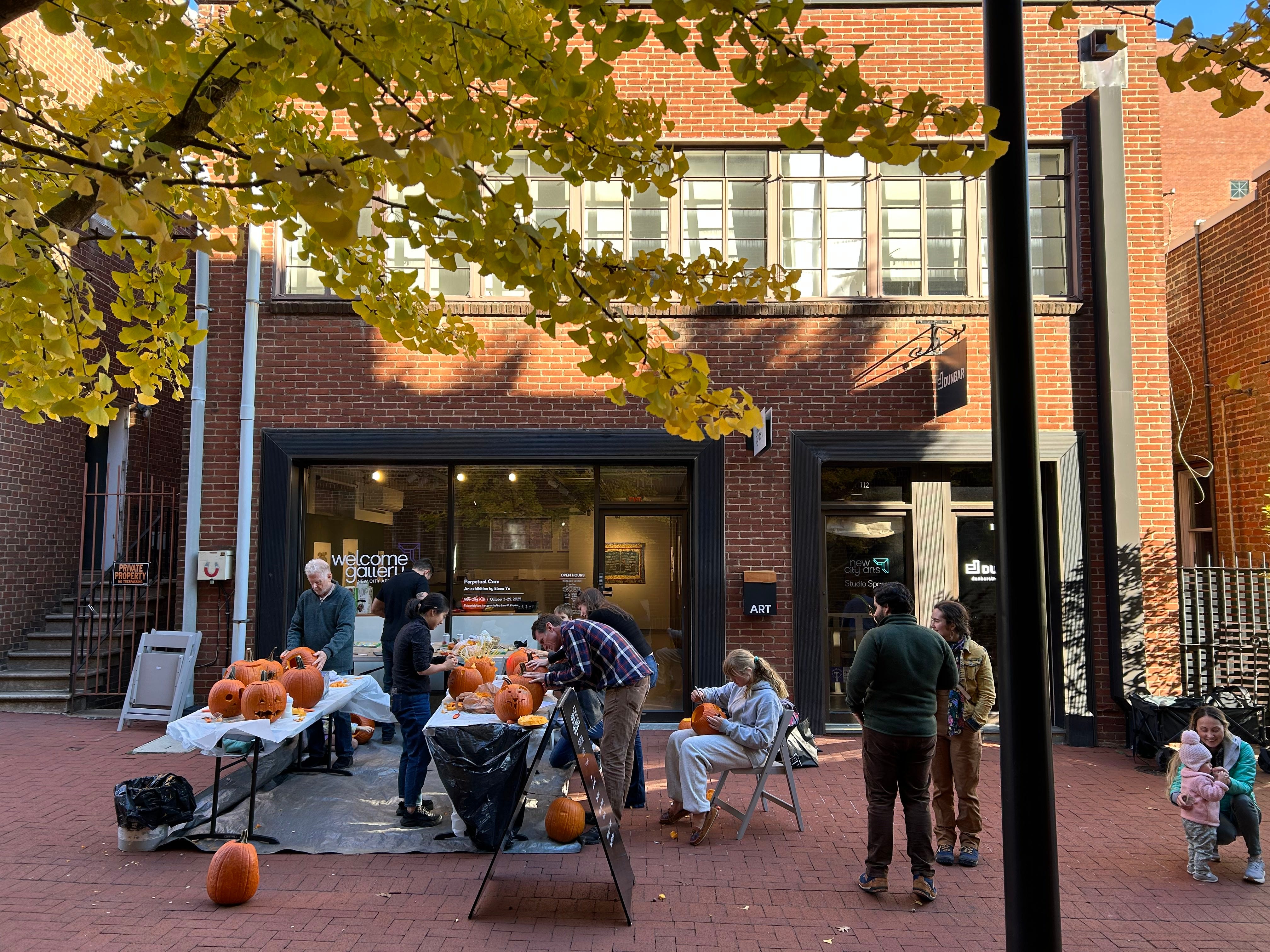
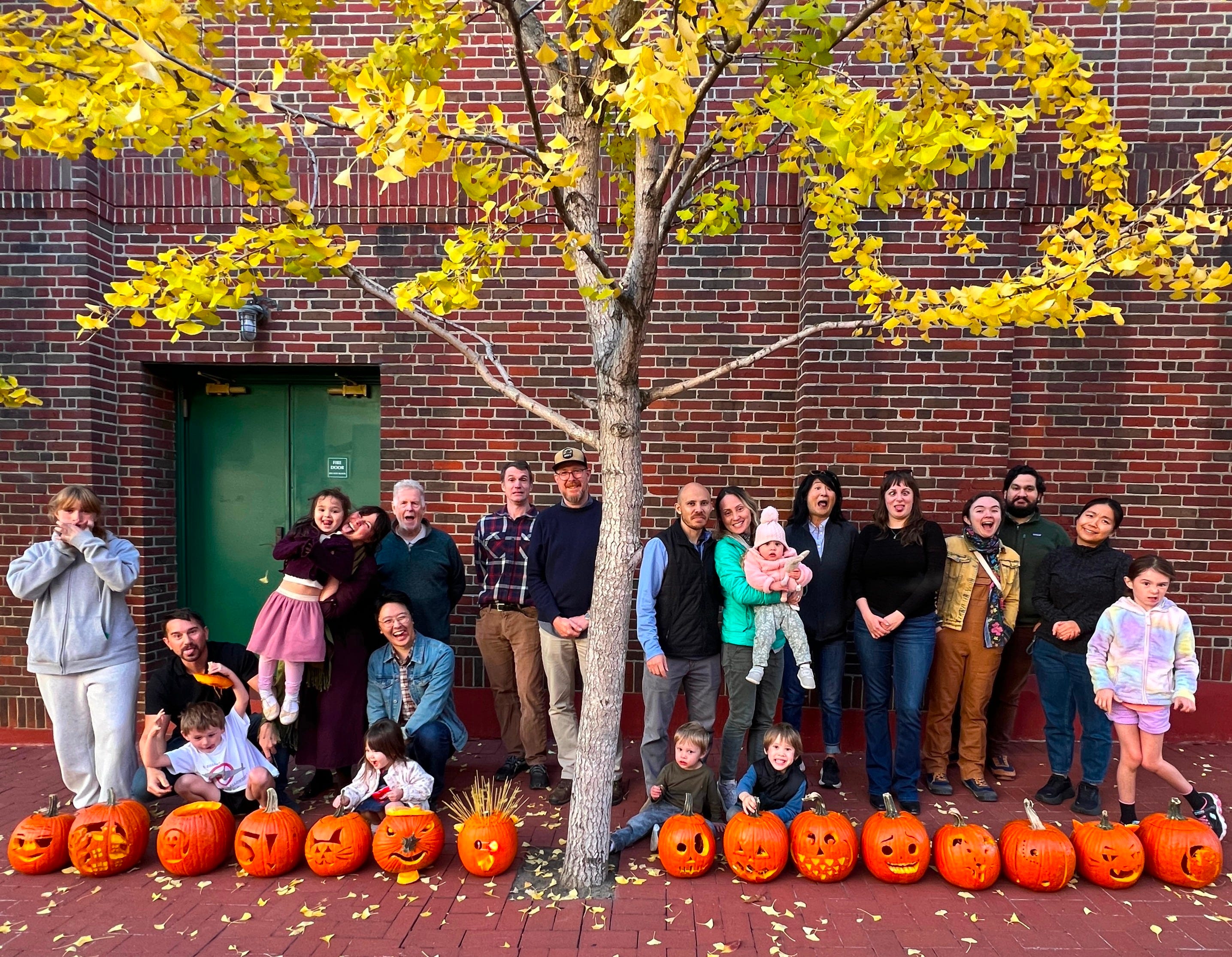
Our friends and neighbors at New City Arts recently opened their Welcome Gallery to BRW for our traditional pumpkin carving activity. We gathered for an afternoon of crisp air, creative catharsis, and pumpkin guts galore! Armed with carving tools and fueled by candy, our staff and their families brought their wildest ideas to life—from classic jack-o’-lanterns to downright ghoulish inventions.


Laughter and orange pulp filled the air as everyone sketched, scooped, and sculpted. Though we forwent the competitive element this year, a few crowd favorites emerged: Kurt’s spaghetti-haired monster, Ying’s adorable homage to her cat, and David’s eerie stem-nosed creature.


As dusk fell and costumed visitors descended on the Mall, our team’s handiwork lined 3rd street, eliciting smiles from passersby. The afternoon captured everything we love about this season—creativity, camaraderie, and a joyful bit of mess. It was a chance to step away from our desks and remember how good it feels to make something with our hands—a reminder of how creativity connects us all year long.