House Rules
Exploring how design, code, and creativity define the spaces we share.


Issue No. 13
IN THIS ISSUE
BUILDING: Fredensborg Housing—Jørn Utzon
READING: Single Stair Marches Forward in Virginia—4 years of posts for progress
WORKING: A Milestone Year for MRC—30 years of creative impact, and building a new home for young artists
BUILDING
Fredensborg Housing
Jørn Utzon
BY: TARO MATSUNO
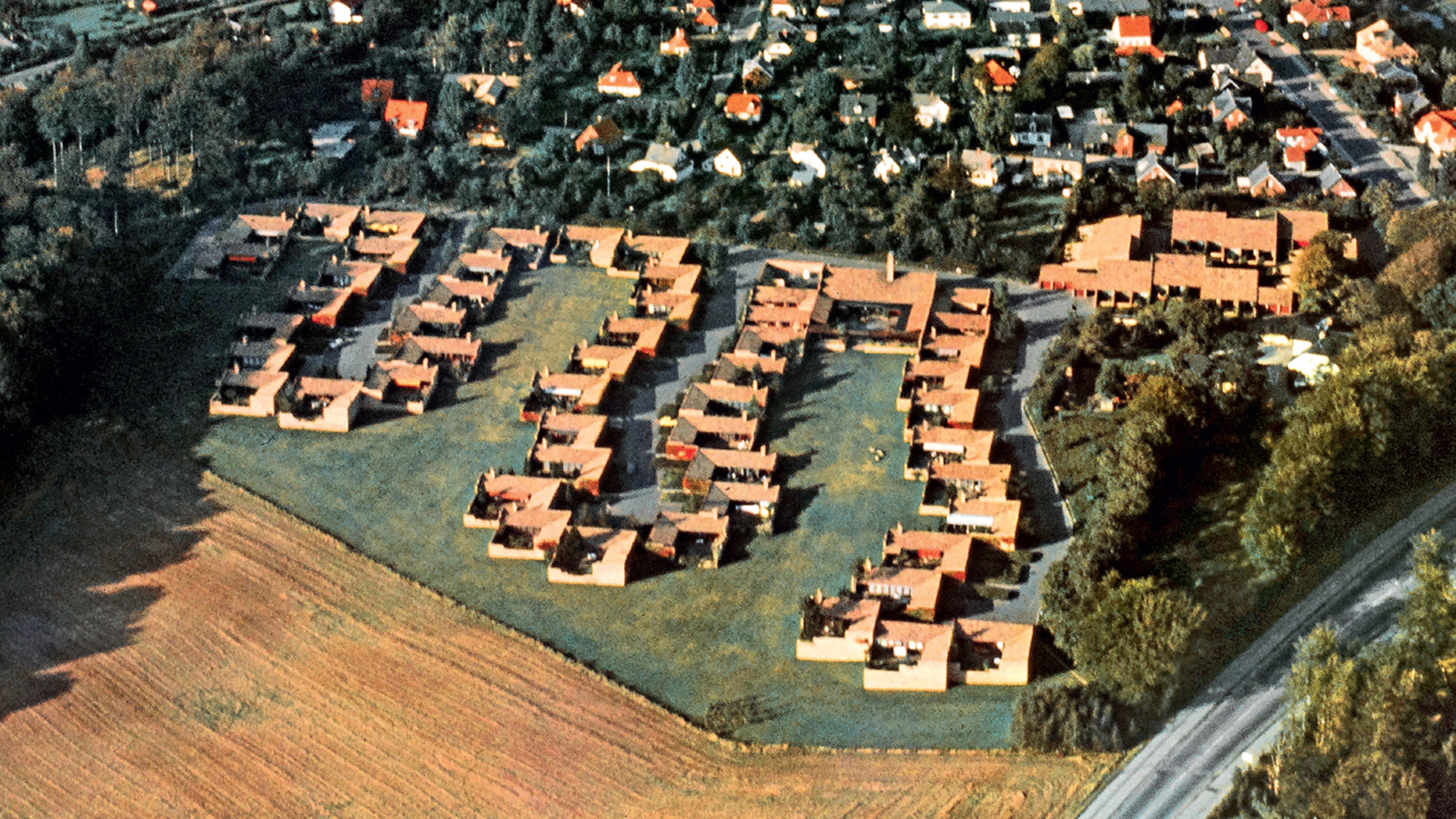
Every couple of years I think again about this project from Jørn Utzon of Sydney Opera House fame, and part of it is because I think the diagram is strong and clear - the project is a series of “fingers” which extend from the town into the countryside, creating an edge and enclosing collective open space.
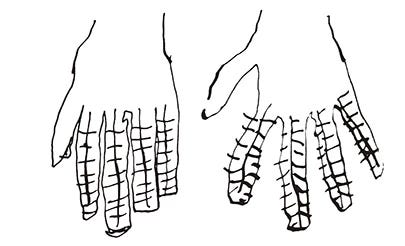
This time I had the thought - how does this differ from essentially suburban development? After all, can’t you achieve something similar with a few cul-de-sacs pointing off into undeveloped forest and wetlands at a fraction of the cost? What makes this so great?
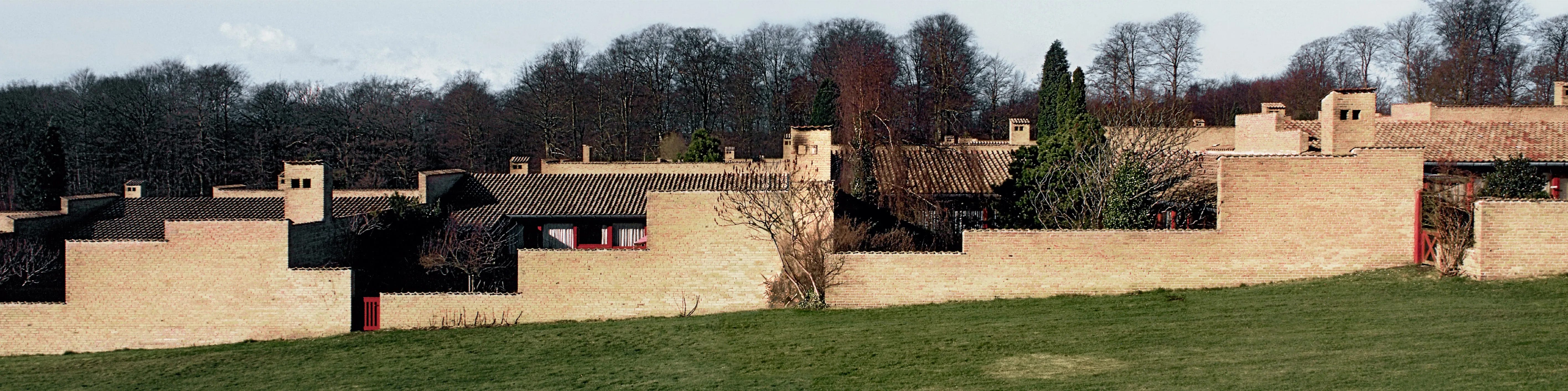
The answer is the difference between diagram and architecture. “Good fences make good neighbors” - Utzon puts the houses close up to the street with a few hedges to soften the edges, and each courtyard is separated from the green space with a solid wall. He makes clear that this is “my” space and that is “ours” - when you’re in the driveway or out in the lawn you’re in public, otherwise you’re not to be bothered. American suburbs use lawns and distance rather than walls to establish privacy, but as a result the line between what is common vs privately owned can get blurry.
Can your dog use your neighbor’s porch? Certainly not - but what about that little strip of their lawn at the edge of the street? It’s borderline. “Do I own that tree or do you?” “I don’t know, we’ll have to check the plat.” “Hey it turns out I actually own your fence” - even though the property rules are clear, in practice we’re always renegotiating with our neighbors.
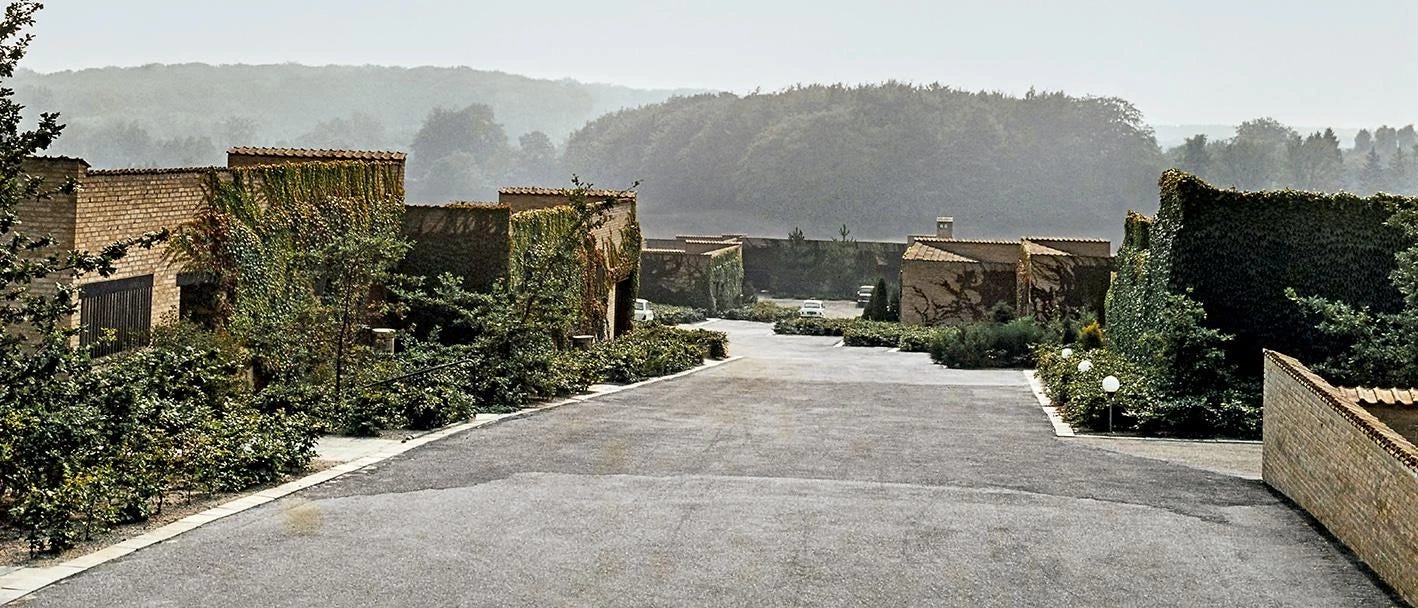
Second is the use of materiality. Suburban development tends to emphasize the independence and individuality of the individual owners - tract home builders use the same floor plan but make the courtesy of varying the architectural details to differentiate the houses. Utzon takes the other tack and repeats the same module with the same material and varies them slightly in their placement on the site - it totally deemphasizes that this is “my” house, and instead puts the focus on “our” neighborhood.
More drawings on Fredensborg Houses on Arquitectura Viva
READING
Single Stair Marches Forward in Virginia
4 years of posts for progress
BY: TARO MATSUNO
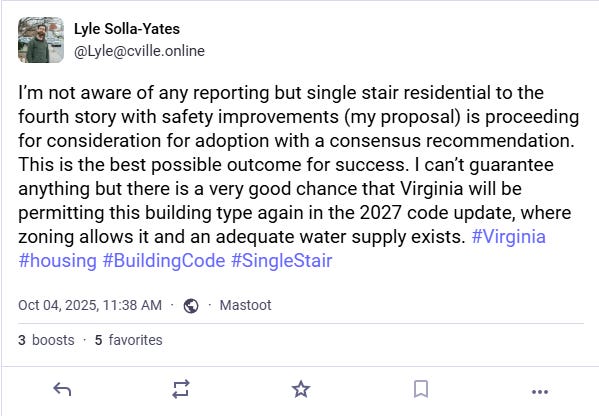
Word from local Planning Commissioner, Lyle Solla-Yates, on a niche microblogging platform was that single-stair multifamily building up to 16 unit would be considered for the 2024 edition of the Virginia Construction Code with a consensus recommendation from the advisory committee.
For those not following this saga via social media, the story begins in 2020/2021 when Seattle architect (& Tech grad) Michael Eliason went on a Twitter spree posting beautiful European apartment buildings which could not legally be built in the US because they did not have two staircases leading to each unit, resulting in all sorts of difficulties in building so-called “missing middle” housing at higher densities with better apartments in the walkable, historic urban centers where people want to live.
Many in housing/design/city planning circles were persuaded, and set to work trying to reform local codes to more closely align with international standards, or even the cities of Seattle and New York which allow up to six stories with a single stair.
Solla-Yates made an initial attempt in June 2022 to propose up to 20 units in 5-story buildings to a Virginia DHCD working group, but failed to reach consensus. VA lawmakers in 2024 passed a bill signed by Gov. Youngkin to convene a group to consider the code amendments, and most recently that Study Group met to consider Solla-Yate’s new proposal of 4-stories with 4-units per floor, which appears to have met consensus for adoption.
The upshot? We may see 16-unit apartment buildings in Virginia soon. Our own internal analysis with toy financial models suggests there is an inflection point around 14-16 units, where projects become easier to finance.
Sean Tubb’s invaluable reporting from 2024 in the Cville
WORKING
A Milestone Year for MRC
Celebrating 30 years of creative impact, building a new home for Charlottesville’s young artists
BY: CANDACE CABRAL
We were thrilled to celebrate 30 years of the Music Resource Center at their annual Party Like a Rockstar fundraiser earlier this month. Since it’s founding in 1995, MRC has empowered thousands of young artists in Charlottesville through affordable after-school music education and mentorship. The organization provides 6th-12th grade students with access to lessons, practice space, instruments, performance opportunities, and recording studios—all under one roof. Each year, the center supports 300-400 young artists in their creative growth.

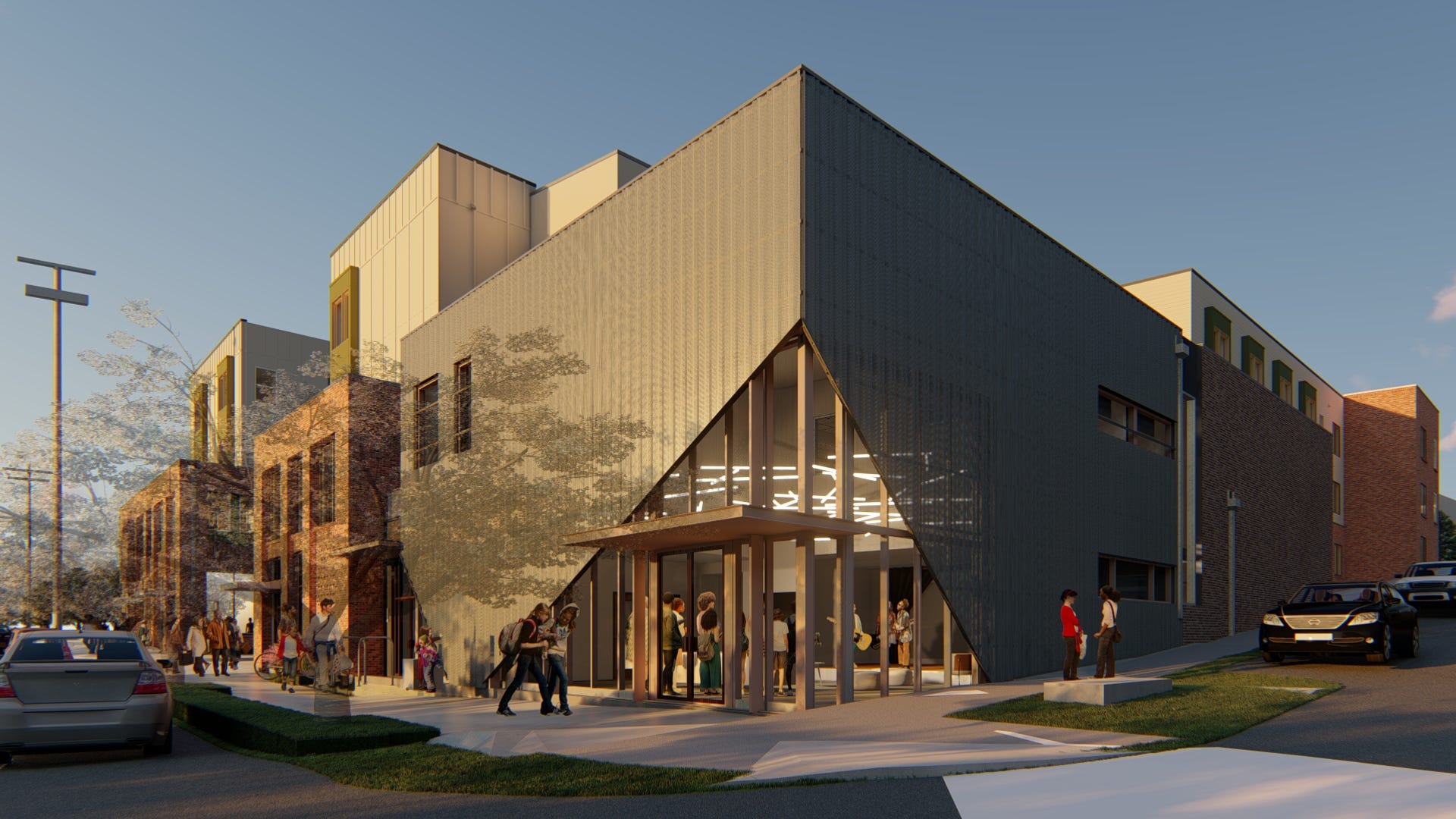
BRW currently serves as the architect for the new mixed-use development at 501 Cherry Avenue, which includes MRC’s future 6,500-square-foot home. Designed to support collaboration, creativity, and community, the facility will feature a welcoming double-height lobby, multiple state-of-the-art studio spaces, a flexible dance stage with operable partition, rehearsal and practice rooms, an AV control room, private offices, and dedicated storage and workshop spaces.
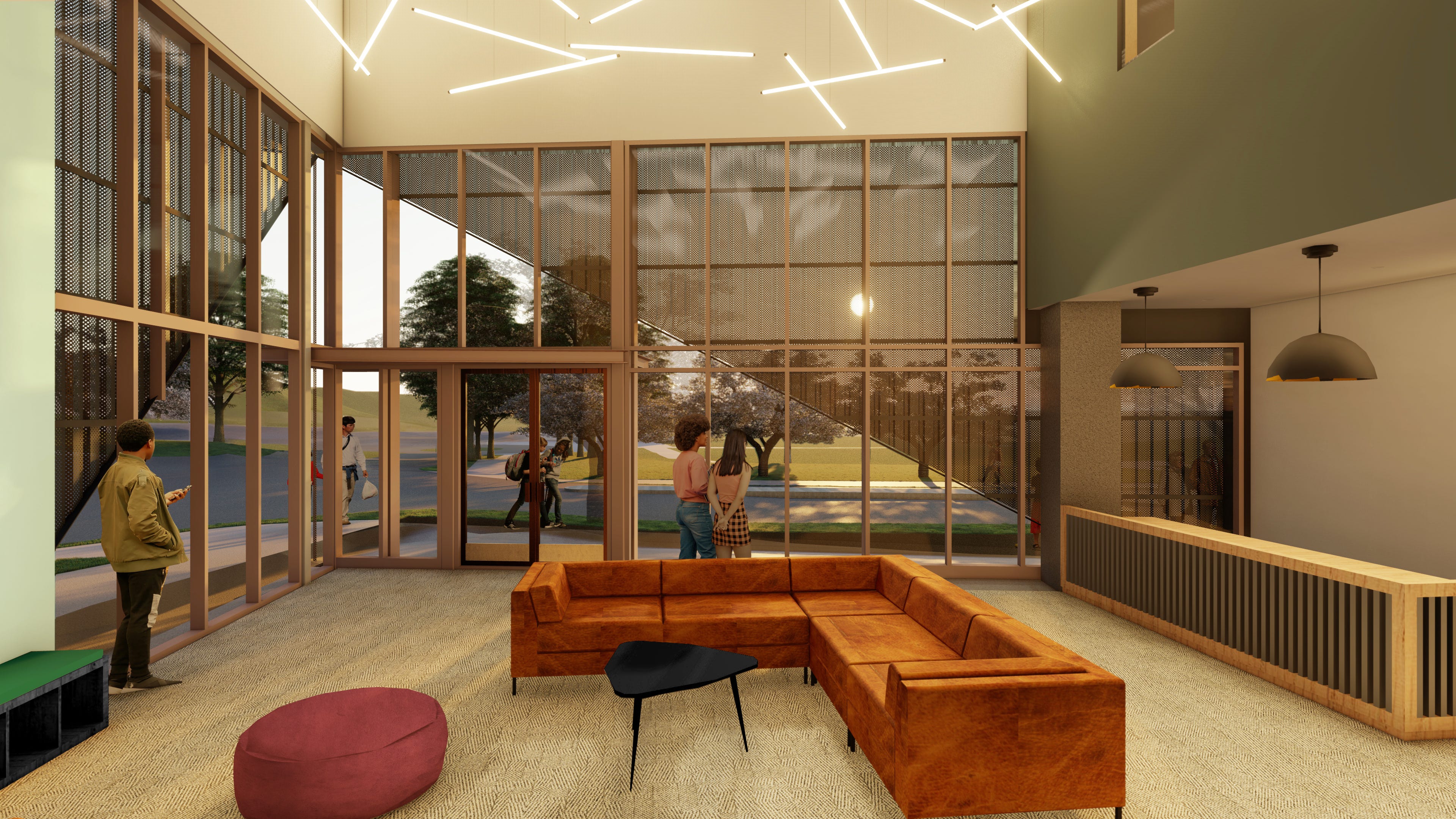
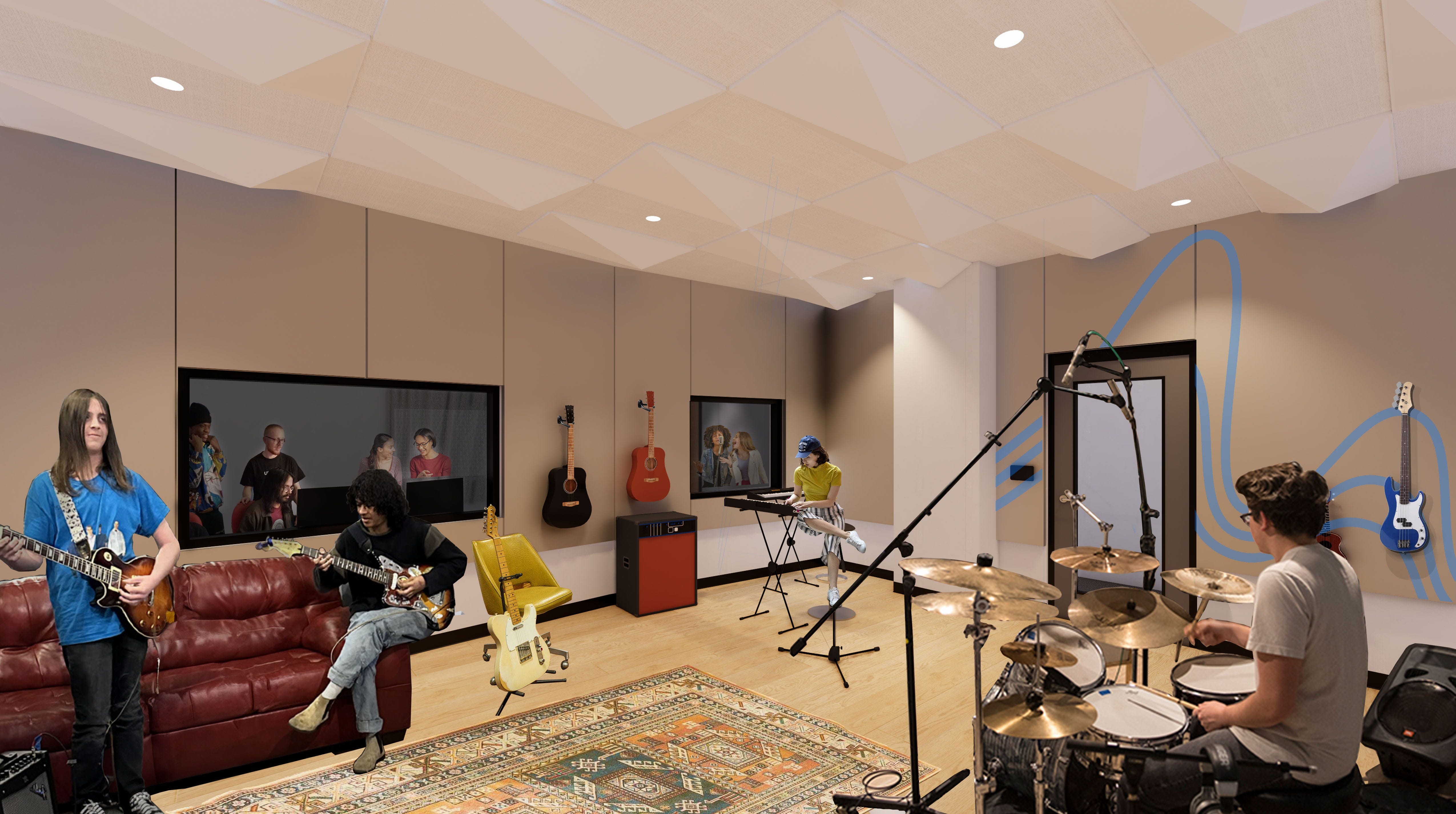
This project represents more than just a new building—it’s an investment in Charlottesville’s creative future. We’re honored to help MRC continue its mission of inspiring and supporting the next generation of musicians and makers for decades to come.