
It Started with a Kitchen Table in 1985…
40 years later, our first newsletter features green buildings, a "greatest hits" of construction knowledge, and one of our summer projects.


Issue No. 1
Welcome to the first edition of Building Reading Working, a regular newsletter about the best things we’re seeing, reading, and doing—both in the office and in our community.

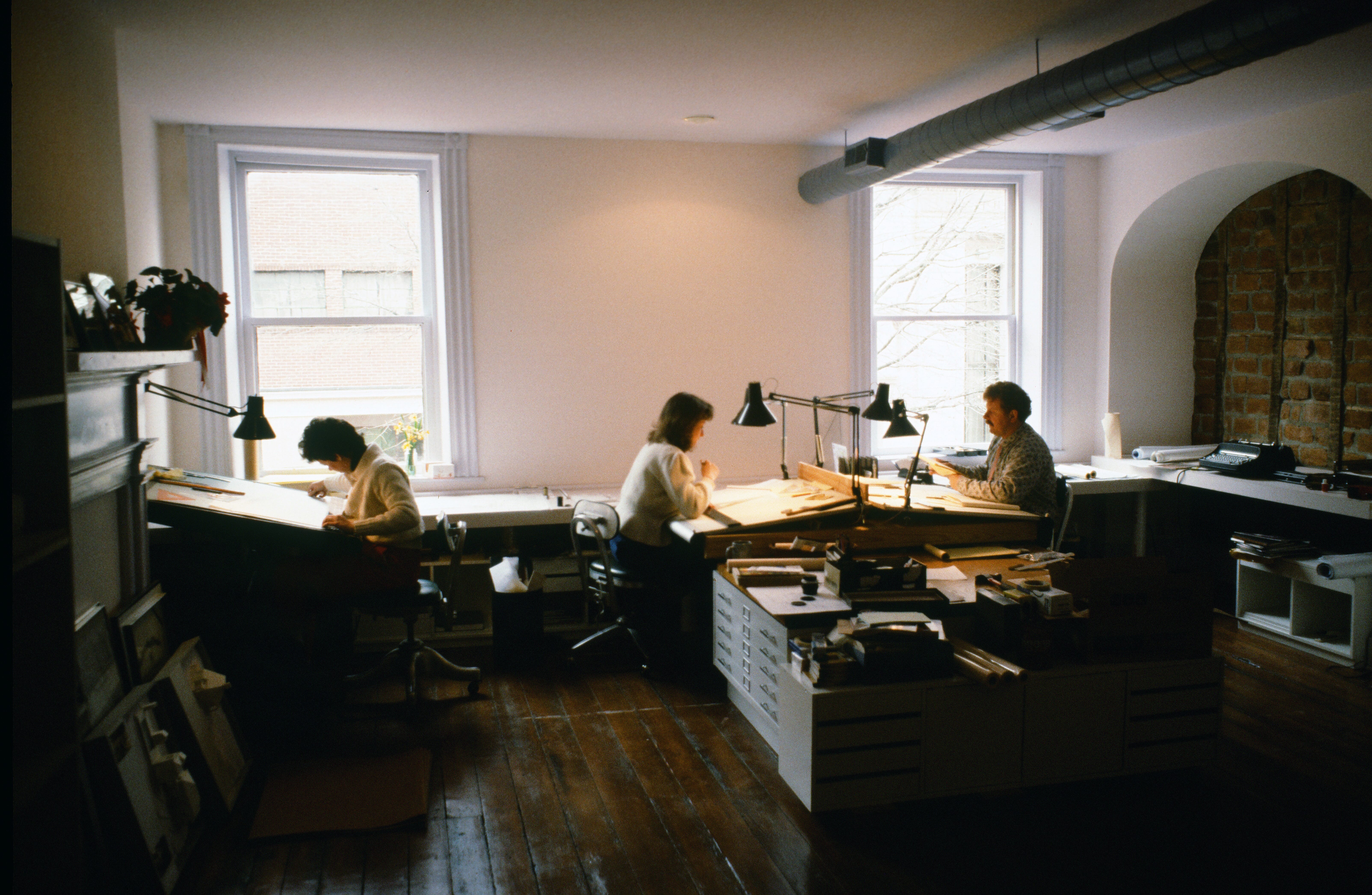
One important note - the firm we work for, brwarchitects, is celebrating its 40th anniversary. Our founder, Bruce Wardell, started the practice at his kitchen table in the summer of 1985. Now we’re about 12 people continuing to design here in Charlottesville, Virginia.
Our whole firm will be celebrating that anniversary over the next year with various community events and activities, some of which will appear in this newsletter in future installments.
IN THIS ISSUE:
BUILDING: Wohnen am Hang—Kollektiv Marudo
READING: 50 Things I’ve Learned Writing Construction Physics—Brian Potter
BUILDING
Wohnen am Hang
Kollektiv Marudo (Baden, Switzerland)
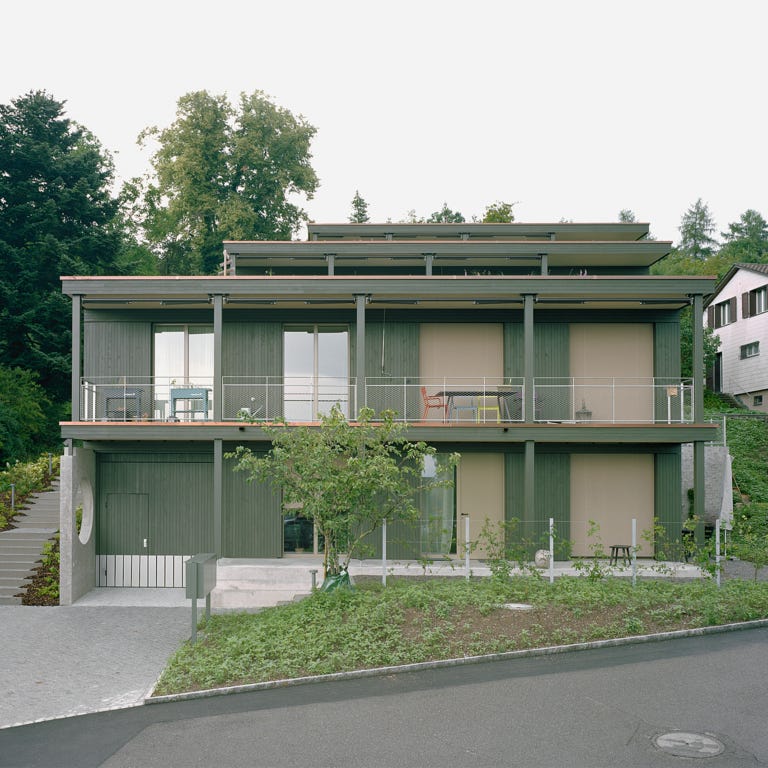
Maybe there’s something about seeing all of Charlottesville get enveloped with green that’s bringing green projects to the front of my mind. A dusty green, successor and complement to “Millennial Pink”, witness Wohnen am Hang (“living on a slope”, I’m told)—one exquisite Swiss project by Kollective Marudo.
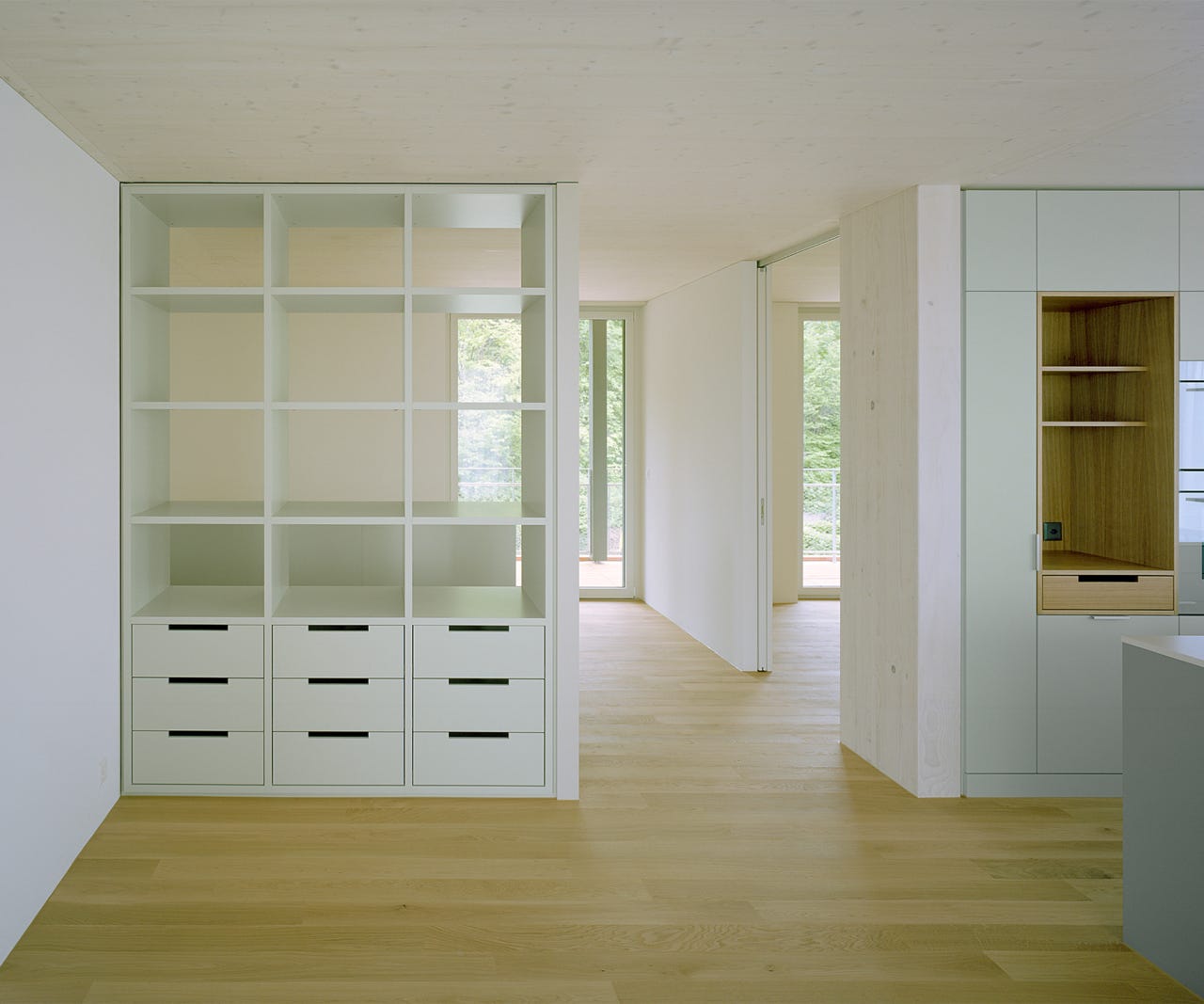
Clad in green-stained wood panels, these six or so units showcase a quality of living in small multifamily housing which is hard to find in the US. Check out the cobblestone pathway, the extensive and thoughtful interior casework that partitions the space, and so many other thoughtful elaborations that give the space its personality.
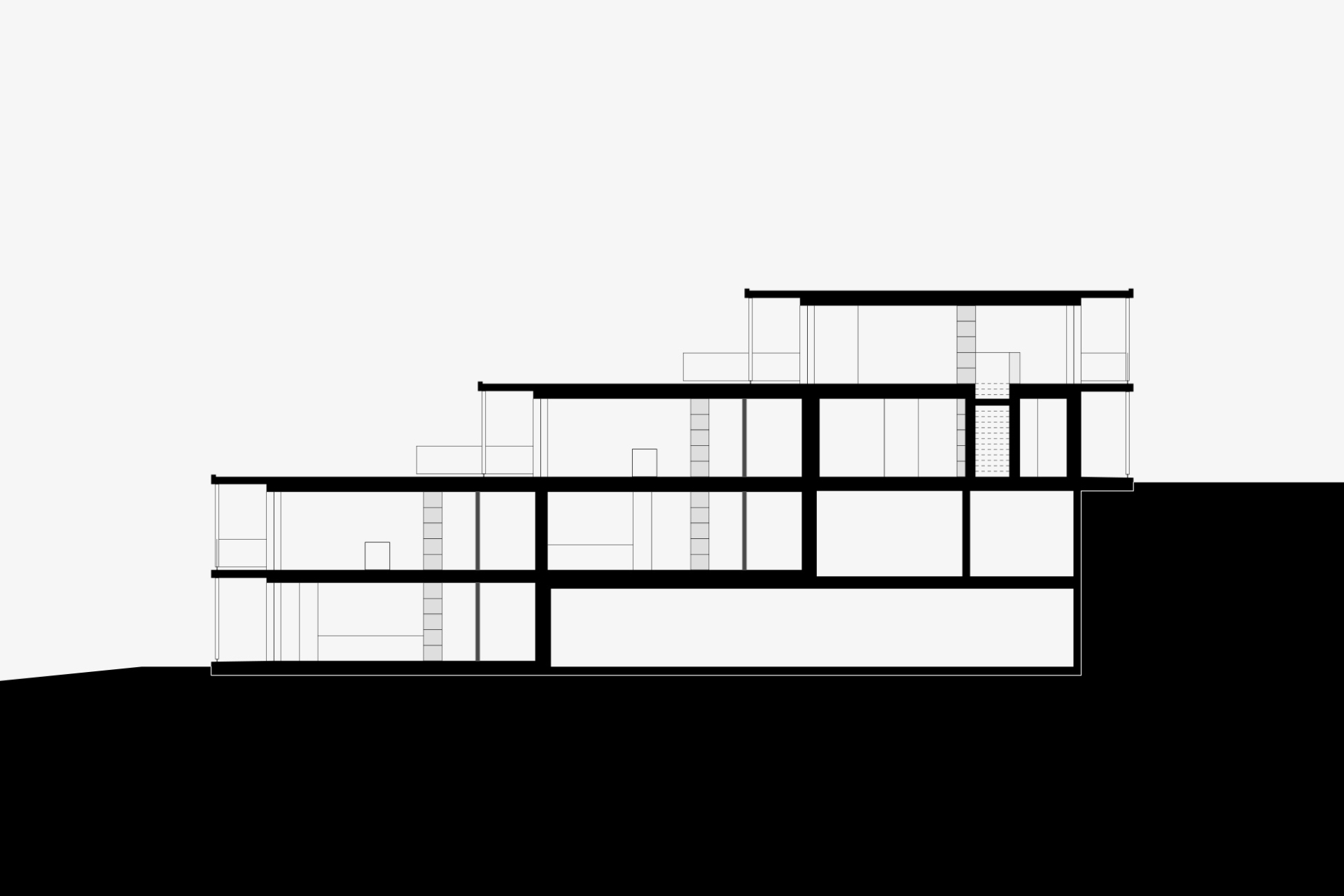
But even with this level of quality, why would someone decide to live here versus in a single detached dwelling? I think the massing gives an answer—even though it’s more costly to construct, the terrace form here gives the ability to tuck parking into the hill. Upper units each get panoramic views of the rolling hills via the patio, and the staggered form gives lower units a window downhill as well. Stepping also allows for a minimum of party walls, allowing a compromise between density and privacy.
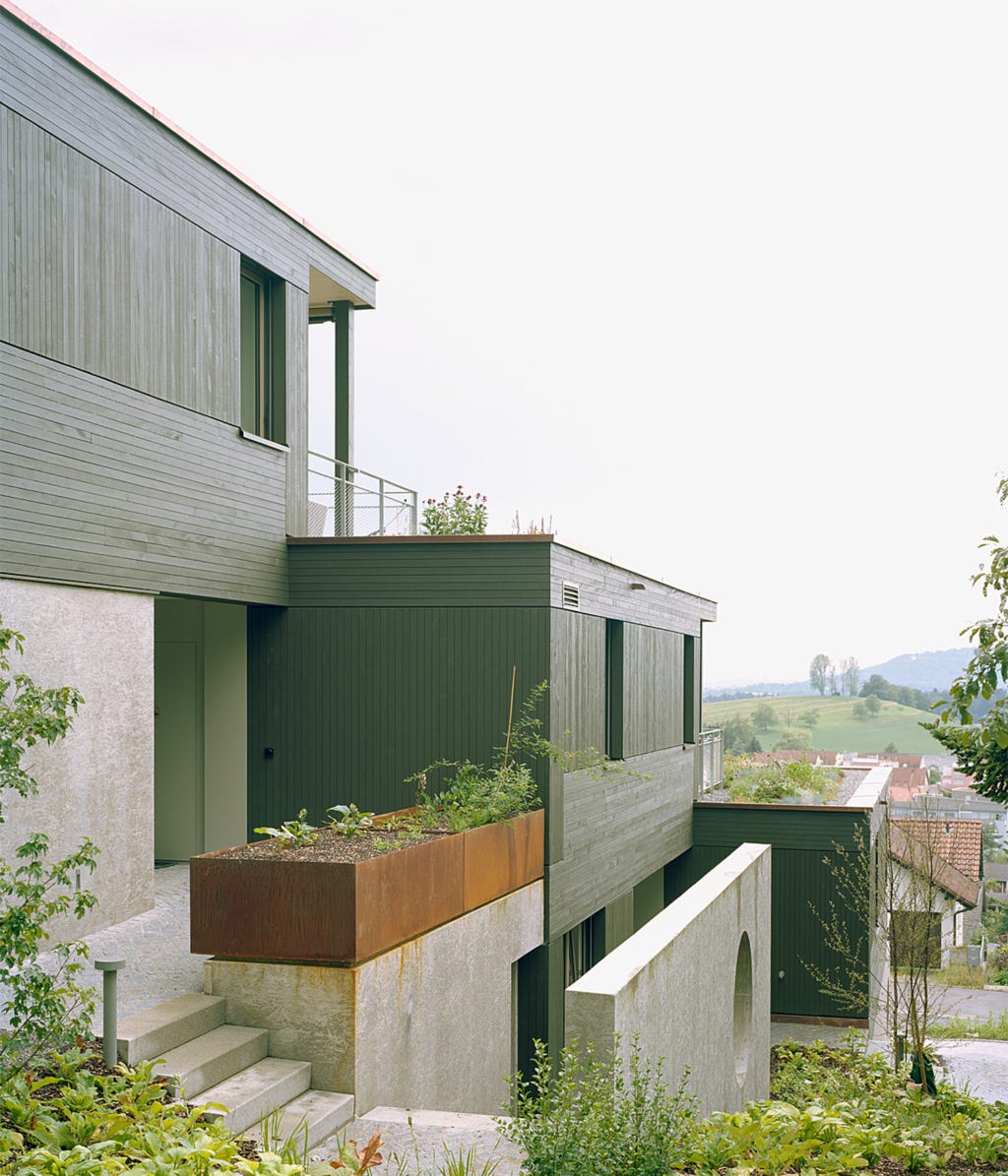
Cor-ten steel planters staining the concrete and copper flashing that will weather to the same green give a sense that the designers are conscious of the passing of time and how the building’s beauty will age.
more on Kollektiv Marudo’s website
READING
50 Things I’ve Learned Writing Construction Physics
Brian Potter
I rarely ever get excited to buy a greatest hits album, but they can be a great place to start. If you’ve never read the excellent Construction Physics newsletter by Brian Potter, his list of 50 Things I’ve Learned Writing Construction Physics is a great introduction.
Some highlights from the list include:
Roughly 90% of buildings in the US are single family homes, and single family homes make up 60% of the total building square footage in the country.
…
Most attempts at construction innovation have a very long history. Construction startup Katerra’s attempt to achieve low costs through factory-built, mass-produced homes was predated by things like the Lustron Home in the 1940s, Operation Breakthrough in the 1960s, and Toyota’s homebuilding division. Mechanical bricklayers have been attempted repeatedly since the late 19th century.
…
Construction in general has gotten slower in the US over time, but the contours of these speed changes aren’t uniform, and are sometimes surprising. The speed of New York skyscraper construction has fallen by more than 50% since the 1960s, but in Chicago speeds are down just 10% from the 1960s (though the decline from peak speeds in the 1970s is greater). Today Chicago skyscrapers are built roughly twice as fast as New York skyscrapers.
WHAT ELSE WE’RE READING:
The Hardest Working Font in Manhattan by Marcin Wichary
Check out this beautiful web design about an ungainly font named “Gorton”. You will likely recognize it instantly, even though it never appears on a computer’s dropdown menu.A Disillusioned Urban Planning Glossary by Emilie K. Adin (McSweeney’s)
Reading this led to more wincing than chuckling—it’s a sign of the times that Transit-Oriented Development (TOD) discourse has made it to the McSweeney’s set. As an Optimist, I think it’s too cynical by half—our firm is premised on the thought that we can do better.
WORKING
Construction Begins at Premier Circle
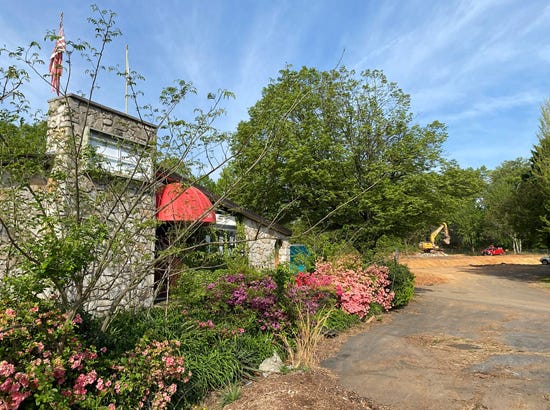
brwarchitects has been regularly meeting at Premier Circle—80 units of supportive housing for people experiencing homelessness with SupportWorks Housing. Foundations will be poured shortly, but it’s far from the beginning of the story. The site has been home to the Red Carpet Inn, and more recently, the Blue Ridge Area Coalition for the Homeless’ temporary shelter during the pandemic.
We have been involved since 2018 in bringing these homes to some of our most vulnerable neighbors and we’re so excited to finally bring this project to fruition.
Read more from Sean Tubbs in the C-Ville.