
Post-post-industrial
Cedric Price's mobile university and the future of small college towns


Issue No. 16
IN THIS ISSUE
BUILDING: Potteries Think-Belt, Cedric Price
READING: Albright, Mary Baldwin, and Others
WORKING: Bruce Wardell at manifestA’s Practice with Purpose Panel
BUILDING
Potteries Think-Belt
Cedric Price
BY: TARO MATSUNO
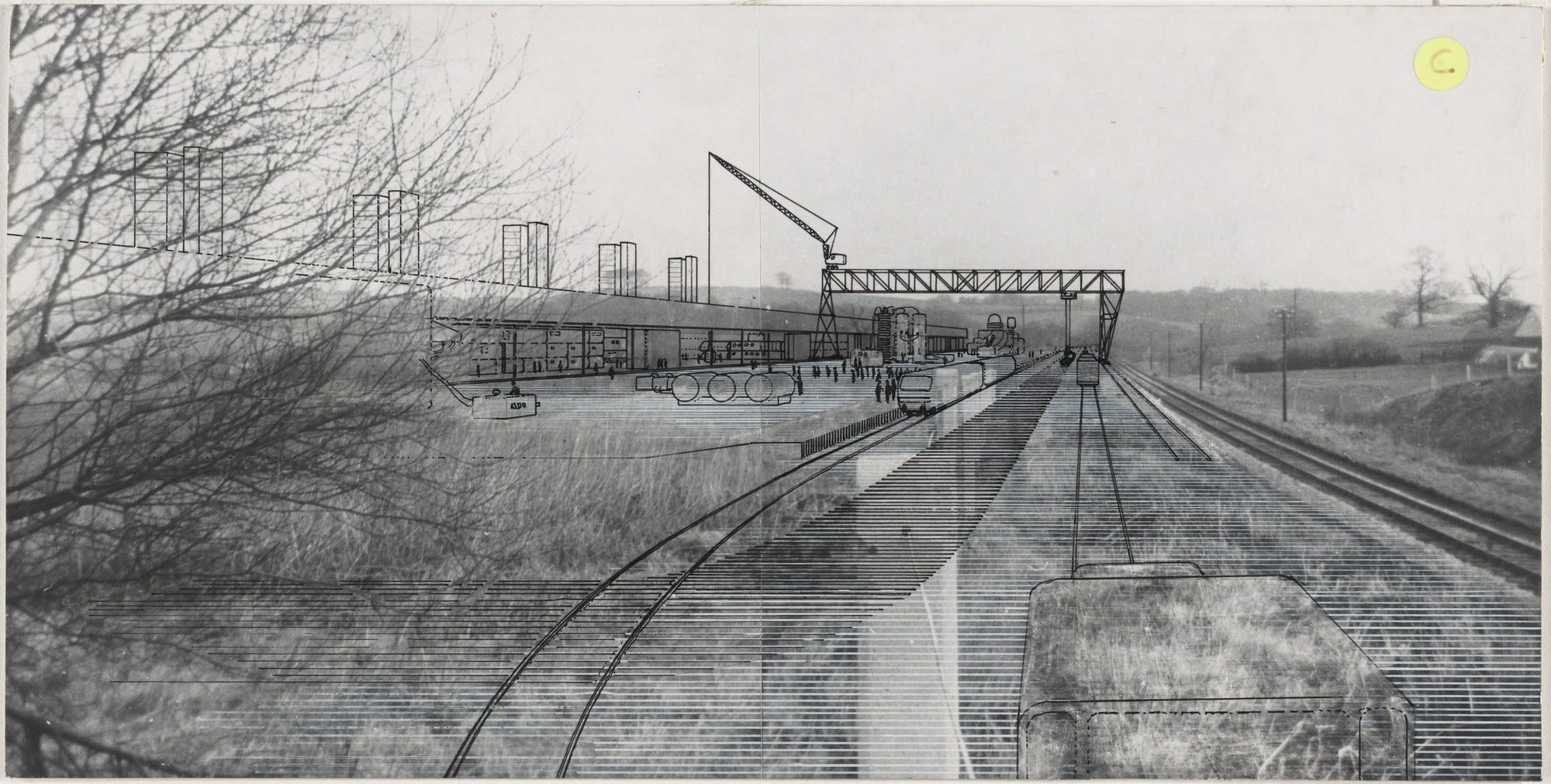
“Paper architecture” is often derided for creating unbuildable designs, but in the absence of a building to look at, it can actually reveal our society at work. Cedric Price was prescient in his 1966 Potteries Think-Belt project, which re-envisioned the postindustrial landscape of North Staffordshire in the UK, whose decline prefigured the American Rust Belt and other global regions affected by deindustrialization.
North Staffordshire was a center of the ceramics and potteries industry, which declined in the late 1950s and left behind a regional landscape of mining efforts and the associated rail networks. The potteries were centers of employment and local pottery know-how, all of which vanished alongside opportunities for young people.
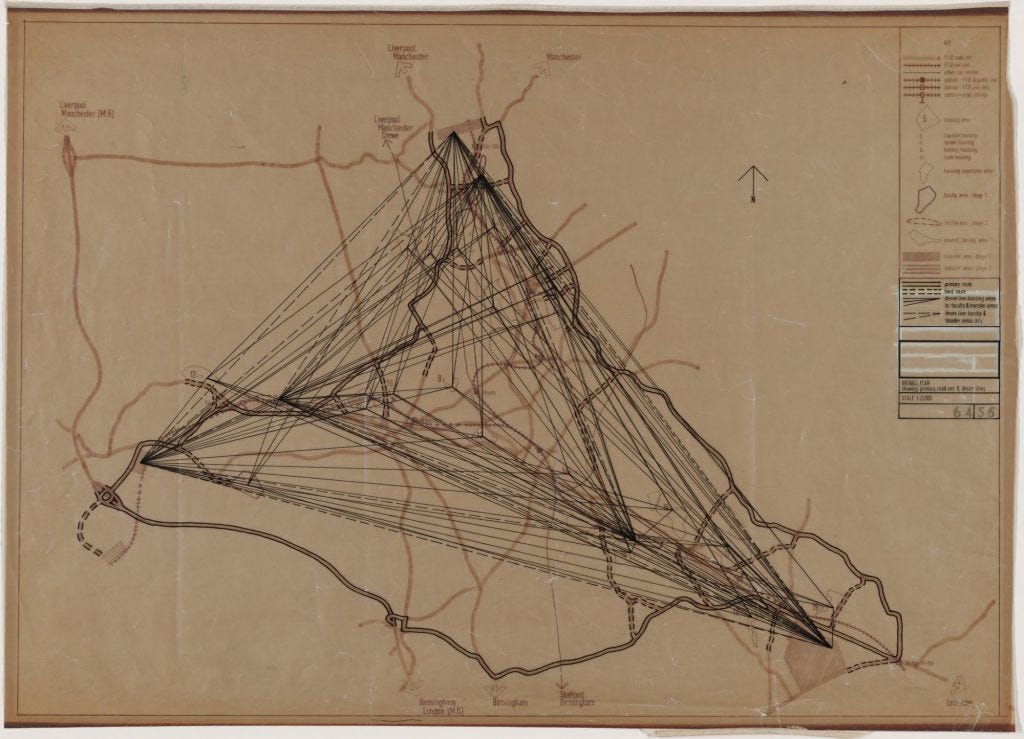
Potteries Think-Belt imagines the applied research university as the antidote to postindustrial malaise, and that it would be built on the existing rail lines (think Snowpiercer). Classes would be held in mobile train car-classrooms travelling between towns, and the sessions would take as long as the ride was between stops. Student housing could be totally decentralized – rather than be located around an insular ‘quad,’ students could live place in pods which could be lifted by crane into locations with power and plumbing within many villages and communities.
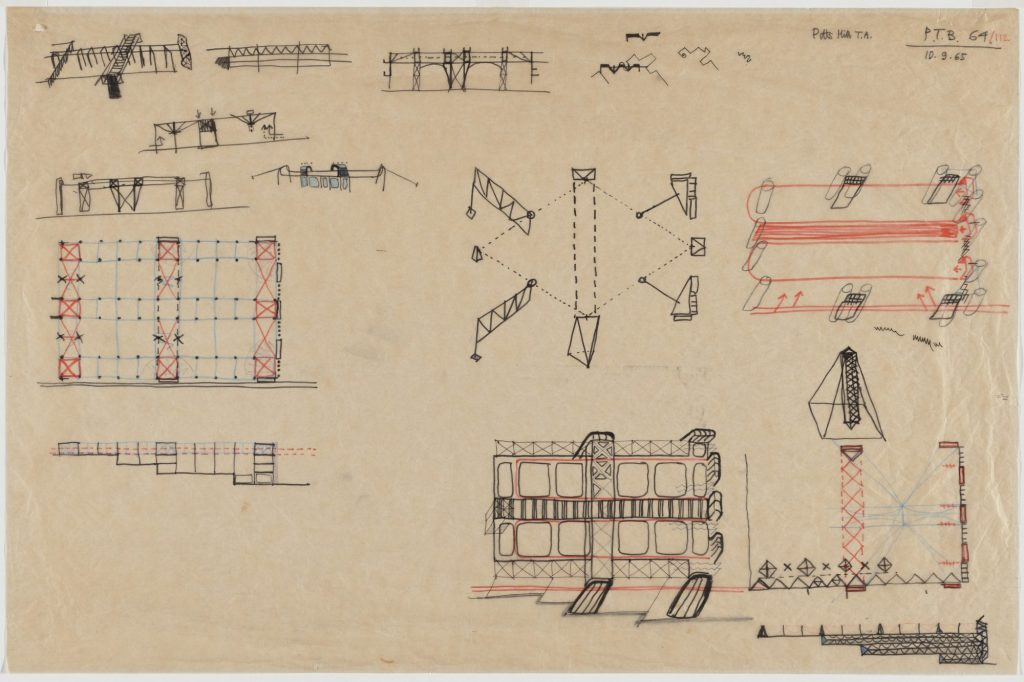
Price imagined that the university could be an engine of regional employment and prosperity, that it would be ascendant over the industrial economy of the early 20th Century, and that the production of knowledge, not physical goods, would be the economy of the future. All of these eventually came to pass.
More images at Hidden Architecture
Cedric Price’s writeup of the project in Architectural Digest circa 1966
Pier Vittorio Aureli’s piece “Revisiting Cedric Price’s Potteries Thinkbelt,” for the JSTOR-havers among you.
READING
Albright College, Mary Baldwin University…
…And Others
BY: TARO MATSUNO
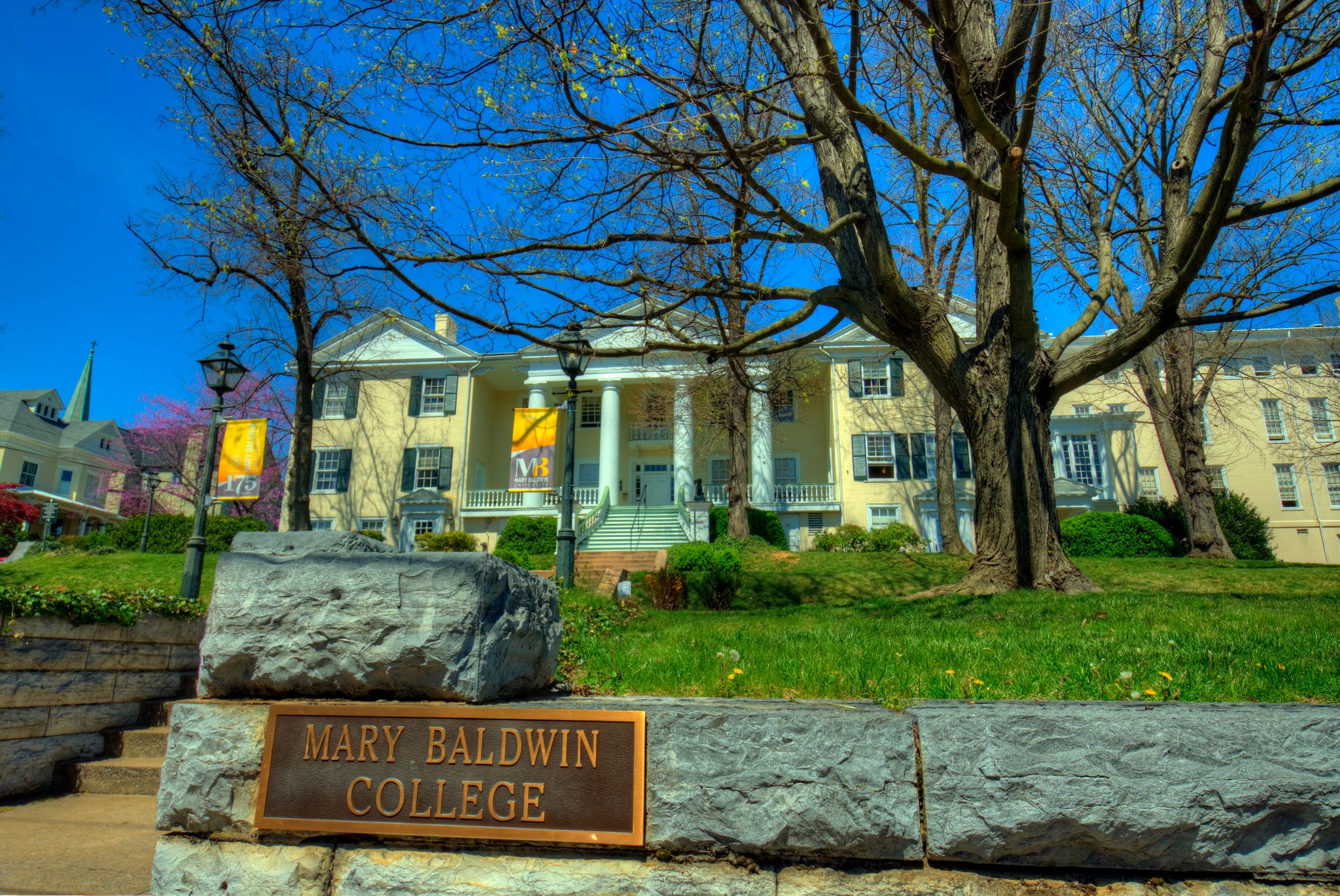
While colleges and universities indeed served as key local economic drivers alongside hospitals (“eds and meds”) that era seems to be changing for small colleges nationwide for structural factors largely unrelated to federal policies that affected high profile institutions like UVA in our backyard.
Instead, we are more likely to see situations like that affecting our neighbors in Staunton at Mary Baldwin, which is seeing declining enrollment, high debt service costs, and large budget deficits. The University is currently undergoing a difficult and controversial restructuring, which affects real people - faculty, staff, students - who are navigating profound uncertainty.
One underlying threat to small colleges and universities is the “demographic cliff” which we have just tipped over – 18-year-old college enrollment was projected to peak this year, 2015, followed by a 15-year decline. By 2041, we should expect to see 13% fewer college freshmen. This demographic drop is expected to result in a series of higher education closures in the coming decades.
A recent report by Megan Greenwell in Bloomberg Businessweek gives perhaps the most comprehensive looks into the questions around restructuring of small colleges and universities – Albright College in Rust Belt Reading, PA is running a similar playbook – cutting programs, gutting tenure, doubling down on sports and buzzy vocational training. The results seem to have met with some success – freshman enrollment is up 20% - though Albright still faces significant headwinds.
All of this gives Cedric Price’s project deeper relevance. How can small colleges and universities continue to connect students to economic opportunities and new ideas? What happens to their existing facilities in light of these broader trends? After all, colleges and universities are significant builders and urban designers in their own right. And what can communities do in light of this new “post-post-industrial” era? All of this signals the challenges for us transitioning from an economies focused on the young to one which needs to focus more on caring for an aging population.
Cedric Price would have much to say.
WORKING
Bruce Wardell speaks on Practice with Purpose Panel
Thanks to UVa’s School of Architecture manifestA
BY: KENDALL KING
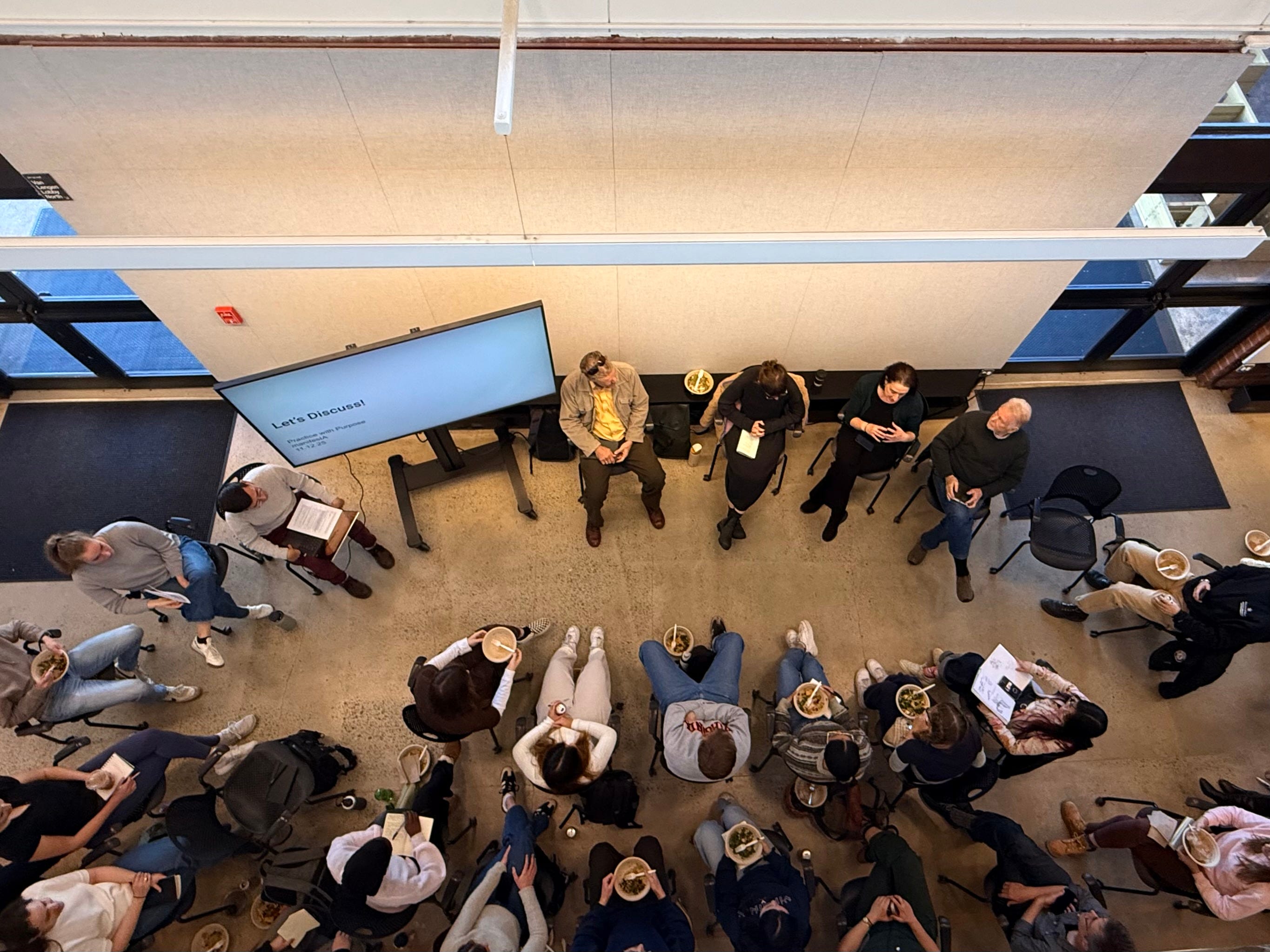
In Mid-November, Bruce participated in a panel discussion hosted by UVA School of Architecture’s manifestA: “a collectively-led organization facilitated by students and open to all members of the A-School community (students, faculty, and staff)–past and present.”
The theme of the panel was Practice with Purpose and Bruce was joined by fellow architects Reed Muehlman and landscape architect Rebecca Hinch, as well as architectural journalist Molly McCluskey. The panel was an opportunity for students to learn about community-based design careers, and Bruce shared stories of brw’s affordable housing work.
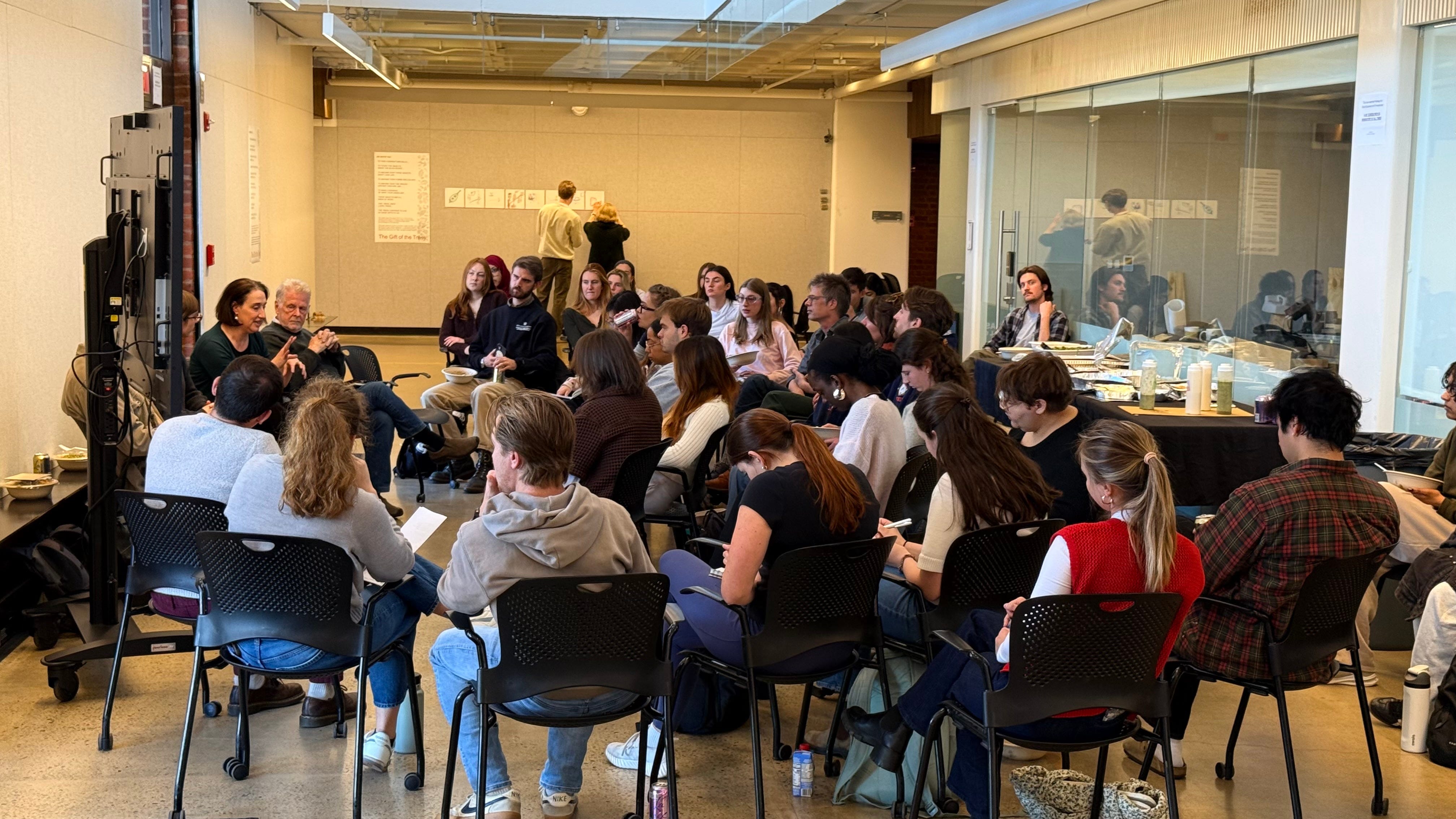
Students reflected that Bruce’s stories were “a great segue into a larger discussion about the power and politics that surround architecture,” and that it was helpful to learn about from a specific practice lens.
In other higher ed news, brwarchitect’s own Andrew Morrell is wrapping up his first semester teaching a course in architectural history at James Madison University.
Congrats on another semester down, students (& Andrew)! Good luck with finals and enjoy your holiday break.